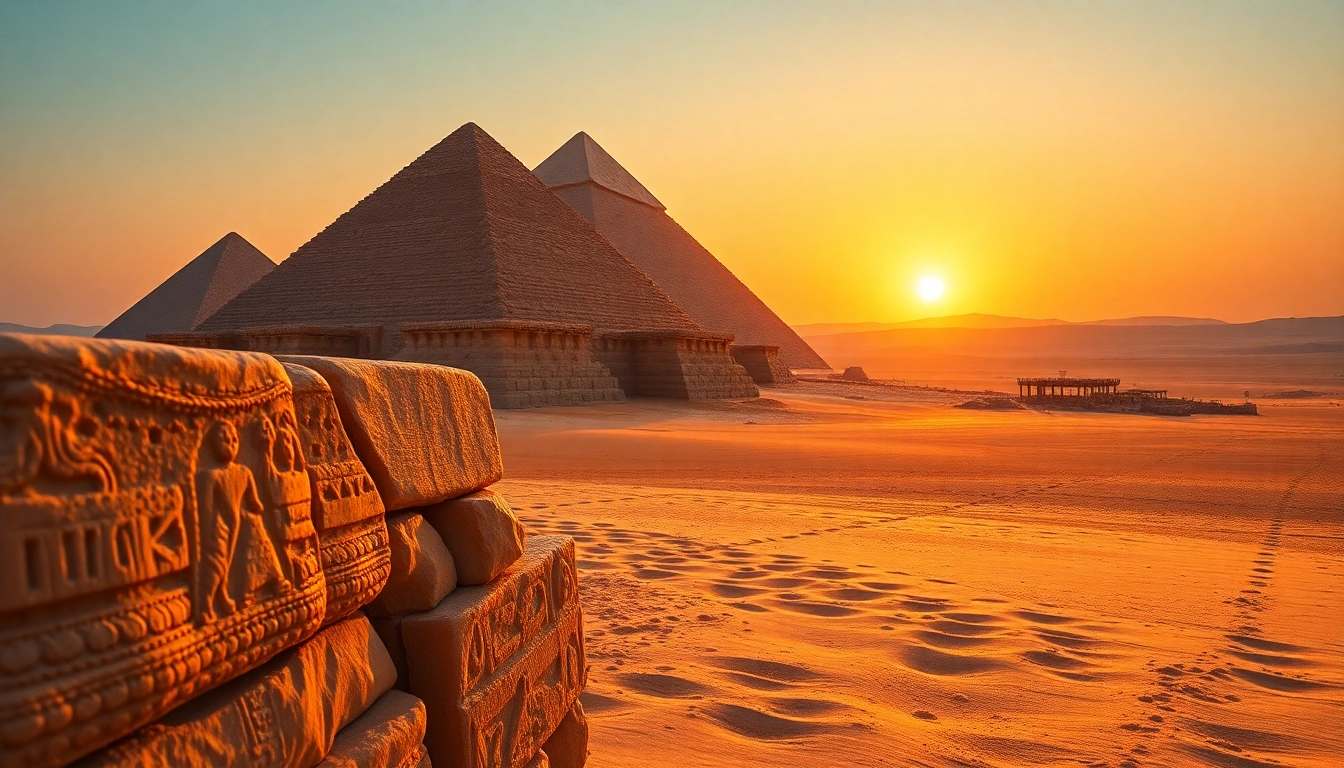
Understanding Piraminds: An Overview
Piraminds are among the most iconic architectural achievements in human history, representing the zenith of ancient Egyptian construction techniques. These enormous stone structures served vital religious and cultural functions, primarily as monumental tombs for the pharaohs. Often regarded as symbols of power and innovation, piraminds continue to captivate the imagination of millions around the world.
Historical Significance of Piraminds
The historical significance of piraminds is multifaceted, affecting various aspects of ancient Egyptian civilization. Constructed primarily during the Old and Middle Kingdom periods, these massive structures not only served as tombs but also as symbols of the pharaoh's divine status. The most famous of these, the Pyramids of Giza, provided insights into the political and religious dynamics of ancient Egypt, illustrating how the ruling class sought to immortalize their legacies through monumental architecture.
The Role of Piraminds in Egyptian Culture
Piraminds were intricately woven into the fabric of ancient Egyptian culture. They played a crucial role not just as burial sites for pharaohs but also as ceremonial hubs where rituals centered on the afterlife were conducted. Additionally, the pyramids functioned as a focal point for communal activities, reinforcing the societal hierarchy and the relationship between the gods and the living. The pyramid architecture symbolized the unification of the kingdom, showcasing the nation’s commitment to honoring its leaders in death.
Architectural Innovations of Piraminds
The construction of piraminds represents some of the greatest architectural innovations of the ancient world. The use of precise mathematical calculations and alignment to celestial bodies highlighted the sophisticated understanding of geometry possessed by ancient Egyptians. The stepwise design evolved into the smooth-sided pyramids we see today, exemplifying advancement in engineering and artistry. Their sheer scale and complexity continue to inspire modern architects and historians alike.
Construction Techniques of Piraminds
Materials Used in Piraminds
The materials utilized in constructing piraminds greatly contributed to their longevity and durability. Primarily limestone was quarried locally, while granite, used for chambers and interior fixtures, was brought from more distant locations. The choice of materials not only affected structural integrity but also symbolized the power and resources of the pharaohs. The outer casing of white Tura limestone made the pyramids gleam under the Egyptian sun, enhancing their visual impact.
Labor and Workforce Behind Piraminds
The construction of piraminds was an astonishing feat of labor organization and management. Contrary to popular belief, it was not slaves who built these structures but rather a skilled workforce, including craftsmen, laborers, and engineers. Historical records suggest that workers were well-fed and housed near the construction sites, reflecting a system that valued their contributions as vital to the cultural identity of ancient Egypt. Seasonal labor, particularly from farmers during the Nile’s flooding, also provided the necessary manpower to erect these colossal monuments.
Engineering Marvels of Piraminds
The engineering techniques used in constructing piraminds were groundbreaking for their time. The alignment of the pyramids with the cardinal points of the compass exhibited a sophisticated understanding of astronomy and engineering. Workers utilized levers, ramps, and sledges to transport massive stone blocks, showcasing engineering solutions that remain a topic of research and admiration. The internal layout, designed to thwart grave robbers, included complex passageways and chambers that highlighted the advanced architectural thought applied to these burial places.
Legends and Myths Surrounding Piraminds
Pharaohs and Their Tombs
The legends surrounding piraminds are heavily intertwined with their original purpose as tombs for the pharaohs. Myths regarding the afterlife and the journeys of the deceased to the realm of the gods were central to Egyptian belief systems. It was believed that a properly constructed and maintained tomb facilitated this passage, and the piraminds were designed to help the pharaoh ascend to join the deities. The mythical narratives surrounding figures like Khufu, the builder of the Great Pyramid, further enhance the allure and historical significance of these structures.
Sacrifices and Ceremonies Associated with Piraminds
Various rituals and ceremonies were conducted in connection with the piraminds, reflecting the profound belief in an afterlife. Offerings of food, wealth, and even prized possessions were frequently placed in tombs as provisions for the deceased in the next world. Additionally, ceremonial practices, such as the Opening of the Mouth ceremony, were performed to prepare the pharaoh for his eternal journey. Such traditions have left an indelible mark on the understanding of ancient Egyptian spirituality and cultural practices.
Modern Interpretations of Piraminds
In contemporary society, piraminds evoke a myriad of interpretations, ranging from symbols of human achievement to subjects of fascination within conspiracy theories. Modern archaeologists and historians continue to uncover new findings that challenge earlier assumptions about these monumental structures. Interpretations around rituals, workforce conditions, and religious significance are continually evolving, ensuring that the legacy of piraminds remains a dynamic area of study.
Visiting Piraminds: A Traveler's Guide
Best Times to Visit Piraminds
For travelers, the best times to visit piraminds are typically from October to April when temperatures are milder, making explorations more enjoyable. This window aligns with the tourist season, offering a vibrant atmosphere around these ancient monuments. Visitors can engage with guided tours and educational programs, allowing for a deeper understanding of the history and significance of each structure.
Tourist Attractions Near Piraminds
Beyond the piraminds themselves, the Giza Plateau offers numerous attractions for travelers. The Great Sphinx, a limestone statue with a human head and lion’s body, is a nearby marvel that captivates visitors. The Solar Boat Museum, showcasing ancient boat designs, and the various smaller pyramids contribute to the overall historical experience. Together, they create a comprehensive understanding of ancient Egyptian civilization.
Preservation Efforts for Piraminds
Preserving the piraminds and surrounding structures is paramount to maintaining Egypt's cultural heritage. Organizations, both governmental and non-governmental, are actively engaged in restoration and conservation efforts to combat the effects of erosion, pollution, and tourism. These initiatives are crucial for safeguarding these iconic structures for future generations, ensuring that their historical and cultural significance endures.
Frequently Asked Questions About Piraminds
What are the main features of piraminds?
Piraminds feature distinct geometric shapes, smooth stone surfaces, and elaborate internal structures designed for burial and protection.
How were piraminds constructed?
Piraminds were built using large stones transported from quarries, employing complex engineering techniques and a workforce of skilled laborers.
What do piraminds symbolize?
Piraminds symbolize the connection between the earth and the afterlife, representing a journey for the pharaoh's soul to join the gods.
Are there any hidden rooms inside piraminds?
Recent discoveries indicate hidden chambers that may reveal more about the construction and use of piramids in ancient times.
Why are piraminds important to history?
Piraminds are significant as cultural monuments, showcasing human ingenuity and serving as a window into the beliefs and practices of ancient Egyptians.