
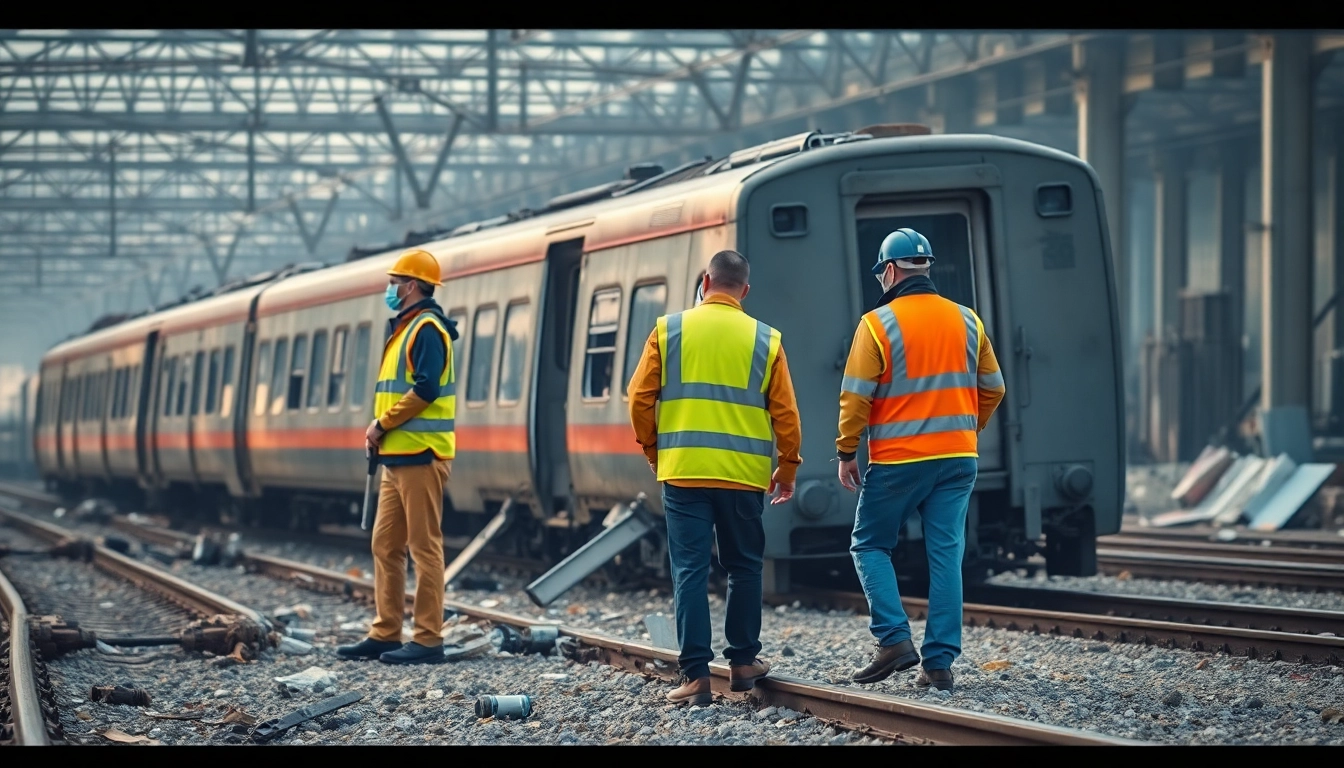
Overview of the Spain Train Crash
The spain train crash stands as one of the most tragic events in the history of rail transportation in Spain. It not only caused a significant loss of life but also sent shockwaves across the country and prompted a re-evaluation of safety protocols and regulations within the railway system. Understanding the incident requires a deep dive into its key facts, the chronological order of events, as well as the initial reactions from various stakeholders.
1. Key Facts and Figures
The Spain train crash involved a high-speed train that derailed on its journey, resulting in a catastrophic accident. Official reports indicated that several passengers were killed and many more injured. Key facts often cited include:
- Number of passengers on board.
- Total fatalities and injuries.
- The specific location and time of the accident.
- Response time of emergency services.
- The train's speed at the time of the crash.
2. Timeline of Events
To understand the repercussions of the incident, it is essential to examine a timeline of the events leading up to the crash:
- Departure: The train departed at its scheduled time, with passengers settled in for their journey.
- Approaching a curve: Data indicates the train approached a particularly sharp curve at a considerably high speed.
- Impact: The train derailed upon taking the curve, resulting in a multitude of injuries and fatalities.
- Emergency response: Emergency services were alerted within moments and arrived promptly to assist victims.
3. Initial Reactions
The immediate aftermath of the crash sparked widespread media coverage and public outrage. Reactions included:
- Statements from government officials expressing condolences and pledging thorough investigations.
- Public mournings and memorial services for the victims.
- International condolences from world leaders highlighting the tragedy.
Causes of the Spain Train Crash
Understanding the causes behind the spain train crash is crucial in preventing similar tragedies in the future. Multiple factors contributed to this unfortunate incident, categorized into three main areas: human error, mechanical failures, and environmental conditions.
1. Human Error Factors
Human error plays a significant role in many transportation accidents, and this incident was no exception. Key considerations include:
- Operator training and proficiency: Investigations revealed possible lapses in the training provided to operators, raising questions about their preparedness.
- Distraction: Reports suggested that the operator may have been distracted or overwhelmed prior to derailing.
- Decision-making: An analysis of the decision-making process in high-pressure situations could provide further insights into the causes of the crash.
2. Mechanical Failures
Another critical aspect of the crash was the role of mechanical failures. Statistics and findings included:
- Equipment malfunctions: Examination of the train's mechanical systems revealed potential failures that could have contributed to the derailment.
- Maintenance records: An assessment of the train's maintenance history raised concerns about whether proper checks were consistently conducted.
- Engineering standards: The incident prompted discussions about enhancements in engineering standards for high-speed trains.
3. Environmental Conditions
While much attention is given to human and machine performance, environmental factors can also be pivotal in train crashes. Considerations in this case included:
- Weather conditions: Investigators looked into how weather, such as rain or fog, may have influenced visibility or traction.
- Track conditions: The state of the train tracks at the time of the accident was scrutinized, including possible obstructions or damage.
- Geographical factors: The geographical layout and specific engineering of the railway in that area were examined for their contribution to the incident.
Impact on Victims and Families
The aftermath of the spain train crash extended far beyond immediate emergency response efforts, impacting victims and their families deeply. This section explores the emotional, legal, and supportive aspects that followed the tragedy.
1. Emotional Toll
The emotional impact on victims and families can be profound and long-lasting. Key points include:
- Survivors often suffer from PTSD and other mental health issues as a result of the crash.
- Families of victims experience grief and may need assistance coping with their loss.
- Support groups and counseling services emerged in the wake of the tragedy to aid those affected.
2. Legal Implications
Legal proceedings following the crash became an area of urgency as families sought justice and answers. Key elements include:
- Litigation against the railway company for negligence could arise as families pursued compensation.
- Investigative bodies began thorough inquiries to determine liability and improve future safety regulations.
- The case highlighted the need for clearer guidelines regarding easily navigable compensation for crime victims.
3. Support Available
In recognizing the disaster's impact, various support mechanisms were developed. These included:
- Establishment of counseling services for affected families and survivors.
- Government initiatives to provide financial assistance for medical bills and other related costs.
- Community engagement efforts to foster support networks among victims' families.
Lessons Learned from the Spain Train Crash
Every tragedy offers lessons, and the spain train crash was no different. It instigated shifts in the safety landscape within the rail industry, exploring the improvements and adaptations that followed the incident.
1. Improved Safety Protocols
The spain train crash highlighted deficiencies in existing safety protocols, leading to key developments such as:
- Implementation of stricter operational protocols for high-speed train operators.
- Increase in regular safety drills and emergency preparedness strategies among train crews.
- Enhancements to monitoring systems that oversee train speeds and track conditions.
2. Innovations in Train Technology
The tragic event acted as a driver for technological advancements aimed at preventing future incidents. Notable innovations include:
- Integration of advanced braking systems designed to respond faster in emergencies.
- Deployment of real-time monitoring systems to track train performance and environmental conditions.
- Exploration of automated systems designed to assist or override human error during critical situations.
3. Policy Changes in Transportation
In the wake of the incident, several policy adjustments were made to enhance transportation safety. These include:
- Stricter regulations governing the operation and maintenance of high-speed rail services.
- Increased funding allocated for safety research and development in rail transport.
- Creation of safety oversight committees tasked with continuous evaluation of rail operations.
Future of Rail Safety in Spain
The future of rail safety in Spain is an evolving narrative shaped by past experiences, current needs, and technological advancements. Key elements in this evolution include:
1. Enhanced Training for Personnel
The ongoing enhancement of training programs for railway staff aims to mitigate risks and improve operational safety. Here are crucial enhancements:
- Regular, hands-on safety training that includes crisis simulations.
- Assessment measures to evaluate staff readiness and adaptability in emergencies.
- Collaboration with international rail safety organizations to adopt best practices.
2. Community Awareness Initiatives
Community involvement will play a vital role in fostering awareness of rail safety. Initiatives focus on:
- Public campaigns designed to inform passengers about safety protocols while traveling.
- Workshops and community outreach programs to educate the public on emergency readiness.
- Creating partnerships with educational institutions to promote rail safety awareness among young people.
3. Government Regulations and Oversight
Government regulatory measures will be critical in ensuring the safety of the rail industry moving forward. Aspects to consider are:
- Frequent reviews and updates to safety regulations to keep pace with technological advancements.
- Annual audits of rail operations and infrastructure to ensure compliance with safety standards.
- Encouragement of public engagement in safety discussions related to railway improvements.
Frequently Asked Questions
What was the main cause of the Spain train crash?
The crash was attributed to a combination of human error, mechanical failures, and environmental conditions.
How many people were affected by the incident?
Numerous passengers were injured, with a significant number of fatalities that impacted many families.
What improvements in rail safety were initiated post-crash?
Enhanced safety protocols, advanced train technology, and policy changes were some key improvements made.
How did the crash affect the victims' families?
The families faced immense emotional distress and pursued legal avenues for justice and compensation.
What steps are being taken for future rail safety in Spain?
Improvements include better training for personnel, community awareness programs, and stricter regulations.