Introduction to Chenin Blanc
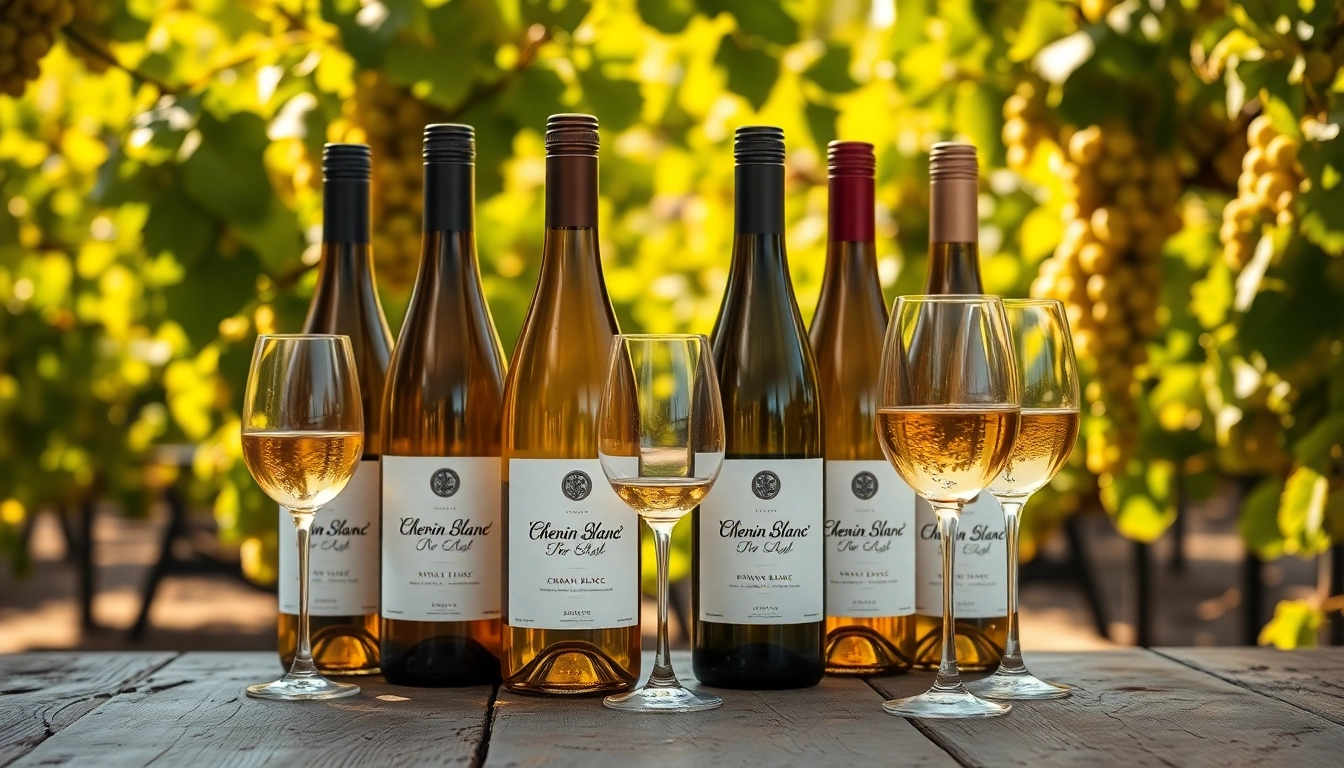
Chenin Blanc is a remarkably versatile white grape variety that has captured the hearts of wine lovers across the globe. Known for its vibrant acidity and ability to express a range of styles, this grape can be found in a multitude of wines, from dry to sweet to sparkling. Understanding Chenin Blanc not only involves tasting and enjoying the wine, but it also requires an exploration of its origins, characteristics, and best practices for pairing and serving.
What is Chenin Blanc?
Chenin Blanc is a white grape variety originating from the Loire Valley in France. Largely celebrated for its adaptability, it thrives in various climates, resulting in diverse flavor profiles. The grape's ability to produce high-acid wines makes it a favorite among both winemakers and consumers. It can be vinified as a dry wine, a sweet dessert wine, or even a sparkling wine, showcasing versatility that is seldom seen in other grape varieties.
The History of Chenin Blanc
The history of Chenin Blanc is rich and intertwined with the heritage of the Loire Valley. Believed to have been cultivated for over a thousand years, this grape played a significant role in French viticulture. Its name derives from the French word 'chenin', referring to its origin near the town of Vouvray. The growth of Chenin Blanc can be traced back to before the 9th century, with historical records indicating that it was favored by monks for its quality and longevity. Throughout the centuries, it garnered acclaim across Europe and later found its way to New World wine regions, where it has since flourished.
Regions Known for Chenin Blanc
While Chenin Blanc is primarily associated with the Loire Valley, it is cultivated in several notable regions globally. South Africa, in particular, has become synonymous with exceptional Chenin Blanc production, with the country's warm climate allowing for ripe fruit profiles and rich textures. Other regions contributing to the global reputation of this grape include California, Australia, and parts of Argentina. Each of these areas brings its unique terroir, influencing the wine's flavor and style.
Characteristics of Chenin Blanc
Tasting Notes and Flavors
The flavor profile of Chenin Blanc can be incredibly diverse, exhibiting everything from bright apple and pear notes to deeper flavors of honey and jasmine, depending on the region and wine-making techniques. In cooler climates, the wines often present with crisp green apple and citrus flavors, while warmer regions result in more tropical fruit characteristics such as pineapple and mango. Chenin Blanc is also known for its floral aromas and mineral qualities, which are particularly pronounced in wines from the Loire Valley.
Styles of Chenin Blanc
Chenin Blanc is vinified into multiple styles, catering to different palates and occasions. The primary styles include:
- Dry Chenin Blanc: Often characterized by high acidity and fresh fruit flavors, suitable for varied food pairings.
- Off-dry Chenin Blanc: This style balances sweetness with acidity, providing a luscious mouthfeel with juicy flavors.
- Sweet Chenin Blanc: Popular in dessert wines, showcasing honeyed and tropical fruit notes alongside a lingering sweetness.
- Sparkling Chenin Blanc: Typically made in the traditional method, it offers refreshing bubbles with rich fruit and floral notes.
Aging Potential and Storage
Chenin Blanc has an impressive aging potential due to its high acidity and concentrated flavors. Quality examples can age beautifully, evolving to develop complex tertiary flavors, such as nuts, dried fruit, and toasty notes. For optimal storage, the wine should be kept in a cool, dark place, ideally between 50–55°F (10–13°C), with a consistent humidity level. Bottles should be stored horizontally to keep the cork moist, ensuring a good seal.
Pairing Chenin Blanc with Food
Best Food Pairings
The versatility of Chenin Blanc makes it a spectacular pairing with a wide range of dishes. Its bright acidity and diverse flavor profiles enhance many cuisines. Some of the best food pairings include:
- Grilled chicken or turkey
- Vegetable stir-fries or salads
- Pork dishes with fruity sauces
- Asian dishes, such as Thai or Vietnamese cuisine
- Spicy foods that benefit from the wine's sweetness
Chenin Blanc with Seafood
Particularly noteworthy is the harmonious relationship between Chenin Blanc and seafood. The wine’s acidity and flavors complement various seafood dishes, including:
- Sushi and sashimi
- Grilled fish, such as salmon or halibut
- Shellfish, including shrimp and crab
- Fish tacos with fresh toppings
The wine's crispness can cut through the richness of the seafood while enhancing the natural flavors, making it a delightful accompaniment.
Chenin Blanc and Cheese
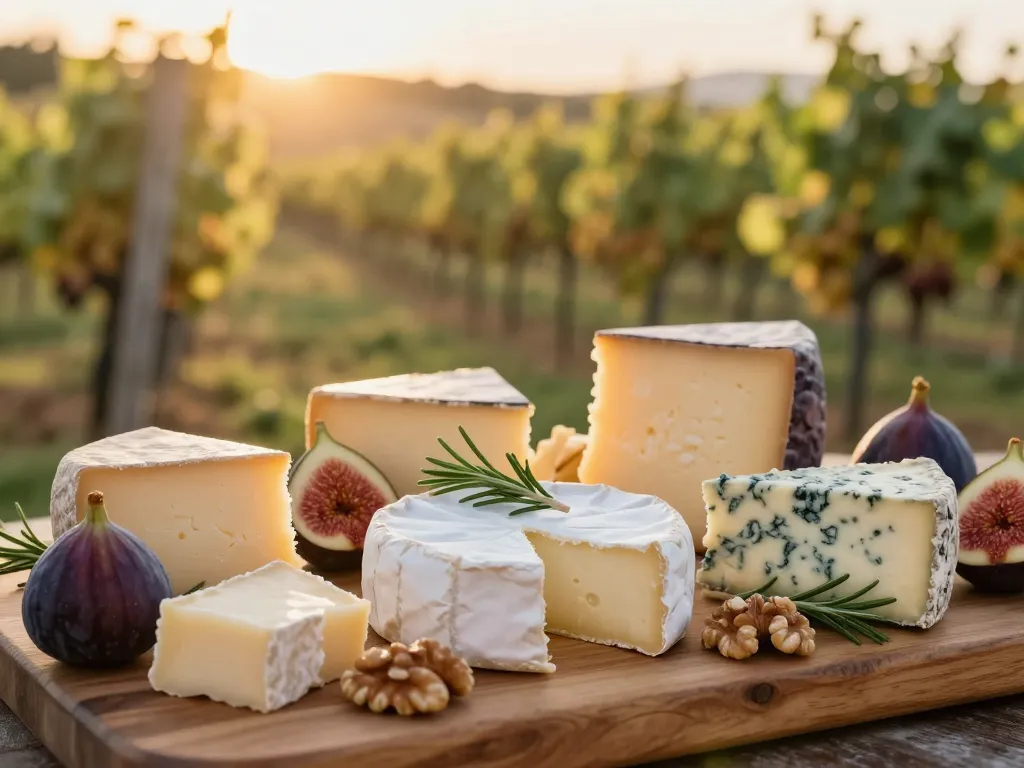
Cheese lovers will find that Chenin Blanc pairs wonderfully with various cheeses. Its acidity and fruitiness complement both soft and hard cheese varieties. Some excellent choices include:
- Goat cheese
- Brie or Camembert
- Gruyère
- Other bloomy rinded cheeses
These pairings create a well-balanced experience, enhancing the cheese's creamy qualities while the wine brightens the palate.
Serving Chenin Blanc
Optimal Serving Temperature
To enjoy the full expression of Chenin Blanc, serving temperature plays a critical role. Dry styles are best served chilled, typically around 45–50°F (7–10°C), allowing the fresh flavors and acidity to shine. Sweeter versions, particularly dessert wines, are better enjoyed slightly warmer, closer to 50–55°F (10–13°C), where their complex aromas and sweetness can be fully appreciated.
Glassware Recommendations
Choosing the right glassware can also enhance your experience. A medium-sized white wine glass with a tapered rim is ideal for serving Chenin Blanc. This shape captures aromas while allowing ample surface area for the wine to breathe. For sparkling Chenin Blanc, a flute or a tulip-shaped glass can enhance the visual aspect of the bubbles while preserving the aromatic compounds.
Tips for Wine Tasting
When tasting Chenin Blanc, consider the following tips for a more rewarding experience:
- Examine the Color: Observe the wine's color, which can range from pale straw to golden hues.
- Swirl and Sniff: Swirl the wine gently to aerate it, then take a moment to sniff and identify aromas.
- Taste Mindfully: Take small sips to appreciate the wine's flavors, acidity, and texture.
Engaging each of these senses deepens your understanding and enjoyment of the wine.
FAQs About Chenin Blanc
What are the flavor profiles of Chenin Blanc?
Chenin Blanc displays a wide array of flavors, including apple, pear, honey, jasmine, and tropical fruits. The profile varies by region and style, making each bottle distinct.
Which countries produce the best Chenin Blanc?
France (Loire Valley), South Africa, and California are renowned for producing exceptional Chenin Blanc, each offering unique expressions of the grape.
How should Chenin Blanc be stored?
Store Chenin Blanc in a cool, dark place at 50–55°F (10–13°C), with horizontal positioning to keep the cork moist and intact.
Can Chenin Blanc be sweet?
Yes, Chenin Blanc can be vinified as sweet wines, notably in dessert styles that showcase honeyed flavors and lush textures.
What foods pair well with Chenin Blanc?
Chenin Blanc pairs wonderfully with seafood, poultry, Asian cuisine, and a variety of cheeses, making it versatile for many dishes.