
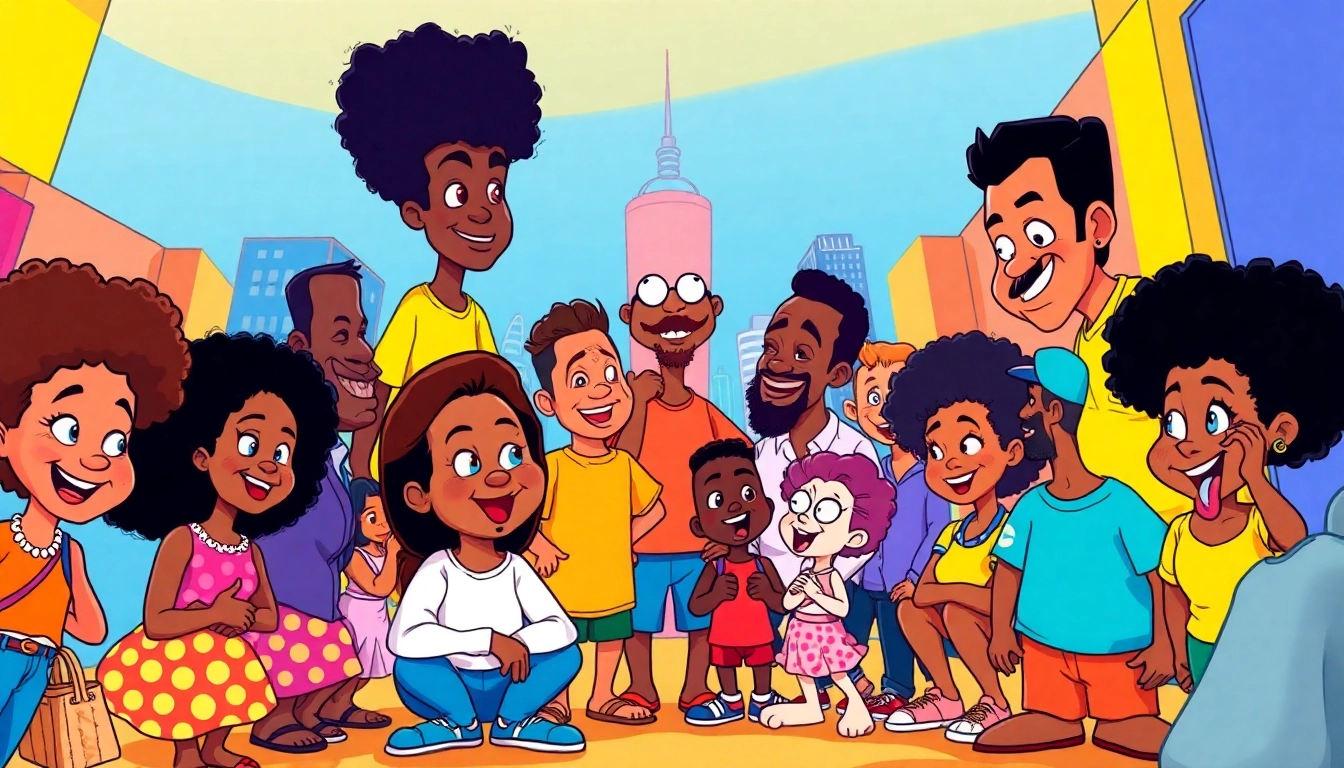
The Evolution of African American Cartoons
In recent years, African American cartoons have become an essential part of the animation landscape, influencing how stories are told and how diverse cultures are represented. Their evolution reflects a journey that spans from early caricatures to dynamic narratives that resonate with audiences worldwide. The impact of animation, particularly in terms of cultural representation, is profound. More than just entertainment, these shows often serve as a mirror to society, highlighting issues and celebrating triumphs unique to African American experiences. For those interested in exploring the richness of this genre, African American Cartoons offer an impressive array of choices dedicated to highlighting these stories.
1. Historical Context and Early Beginnings
The roots of African American animation can be traced back to the early 20th century. During this time, cartoons often perpetuated racial stereotypes. However, some pioneering artists sought to challenge these norms by creating characters that were more representative of African American culture. One of the earliest significant figures was Paul Robeson, whose work transcended boundaries and laid the groundwork for future generations. The 1940s and 1950s saw the emergence of cartoons that included more authentic portrayals of Black life, albeit often as side characters or innocuous figures.
2. Key Figures and Pioneers in Animation
Several influential artists have played pivotal roles in the evolution of African American cartoons. Artists like African American animator Tex Avery worked with renowned figures such as Disney to create characters that began to reflect a more authentic portrayal of Black culture. However, it was the groundbreaking work of creators like Aaron McGruder with "The Boondocks" that ultimately shifted the narrative towards a focus on identity, politics, and culture, melding humor with social commentary.
3. Milestones in Representation and Diversity
The late 1990s and early 2000s marked a golden age for African American cartoons, with series like "The Proud Family" championing diverse voices and showcasing relatable narratives for younger viewers. This period also saw the introduction of more sophisticated storytelling techniques, allowing for greater exploration of themes such as family, friendship, and community. With the rise of streaming platforms, these stories reached broader audiences, demonstrating a demand for inclusive representation in media.
Iconic Characters and Their Impact
1. The Legacy of The Proud Family
"The Proud Family," which aired in the early 2000s, remains an iconic example of African American cartoons that successfully blended humor with poignant social commentary. This series not only showcased a Black family dealing with everyday issues but also tackled significant cultural themes such as friendship, identity, and social justice. Its revival on Disney+ has reignited interest among old fans and attracted new audiences, proving the show's timeless relevance.
2. Recognizing Afro Samurai and Its Cultural Significance
While many African American cartoons target younger audiences, "Afro Samurai" stands out as an adult-oriented series that blends Japanese anime styles with African American culture. Featuring complex characters and narratives, it presents a fusion of art forms that reflects the multicultural landscape of contemporary animation. The show's protagonist, voiced by Samuel L. Jackson, navigates themes of revenge, honor, and identity, making it a unique offering that resonates with older viewers looking for depth in storytelling.
3. Memorable Characters from Kids' Shows
In the realm of children's programming, characters such as Doc McStuffins and Craig of the Creek have become trailblazers for representation. Doc McStuffins, a young African American girl aspiring to be a doctor, has inspired countless children, emphasizing the importance of education and healthcare. Similarly, "Craig of the Creek" showcases diverse friendships and adventures, making it relatable and engaging for its audience while promoting inclusivity.
Current Trends and Influences
1. The Emergence of New Animated Series
As we move into 2026, the landscape of African American cartoons continues to expand. New series are emerging that explore varied aspects of Black culture, community, and experiences. For example, "Karate Sheep," a new animated series featuring two sheep navigating life in a multicultural neighborhood, captures the essence of contemporary diversity and acceptance.
2. Representation in Streaming Platforms
With the advent of platforms like Netflix and Hulu, African American cartoons have gained visibility on a global scale. These platforms not only air established series but are also investing in new content that celebrates diversity. This increase in representation fosters a deeper understanding among audiences, allowing for broader conversations about race, identity, and culture beyond the confines of traditional television.
3. Cultural Influences on Modern Storytelling
Cultural influences play a significant role in modern storytelling, and African American cartoons are no exception. The integration of hip-hop culture, fashion, and social issues into animation has reshaped narratives, making them more relatable and engaging. This integration not only attracts a wider audience but also promotes a greater appreciation for the artistry involved in these narratives.
Engaging Content for Diverse Audiences
1. Educational Themes in African American Cartoons
Many contemporary African American cartoons are infused with educational themes that go beyond simple entertainment. These shows often incorporate lessons on history, social justice, and personal growth into their storylines, providing valuable insights for both children and adults. Series like "Sesame Street" have long been champions of educational content, now incorporating diverse characters to teach empathy and understanding.
2. How Cartoons Foster Cultural Awareness
Cartoons serve as a powerful medium for fostering cultural awareness. By depicting authentic stories and characters, these animations help break down stereotypes and encourage dialogue around race and identity. Shows like "The Boondocks" and "The Proud Family" have successfully engaged audiences in discussions about social issues, encouraging viewers to reflect on their perceptions and beliefs about race.
3. Promoting Positive Role Models for Children
The portrayal of positive role models in African American cartoons is crucial for young viewers. Characters who embody resilience, intelligence, and kindness can inspire children to envision their potential. By showcasing heroes from various backgrounds, these characters provide relatable figures for children, helping them to navigate their own experiences and challenges.
The Future of African American Cartoons
1. Predictions for 2026 and Beyond
As we look to the future, predictions for African American cartoons suggest continued growth in both quality and quantity. The demand for authentic representation is likely to spur an increase in both original series and films. As technology advances, animated storytelling will also evolve, potentially incorporating interactive elements that enhance viewer engagement.
2. Expanding Presence in Global Markets
The global market presents significant opportunities for African American cartoons. As creators seek to reach international audiences, there is potential for cross-cultural collaboration that enriches narratives and broadens perspectives. This kind of exchange can also introduce African American cartoons to new viewers, helping to foster global appreciation of diverse storytelling.
3. Innovations in Animation Techniques and Storytelling
Technical advancements in animation are paving the way for innovative storytelling methods. From virtual reality experiences to augmented reality interactions, the future of African American cartoons may involve immersive experiences that allow viewers to engage with characters and narratives in unprecedented ways. These innovations could reshape how stories are told and experienced, bringing audiences closer to the content they cherish.