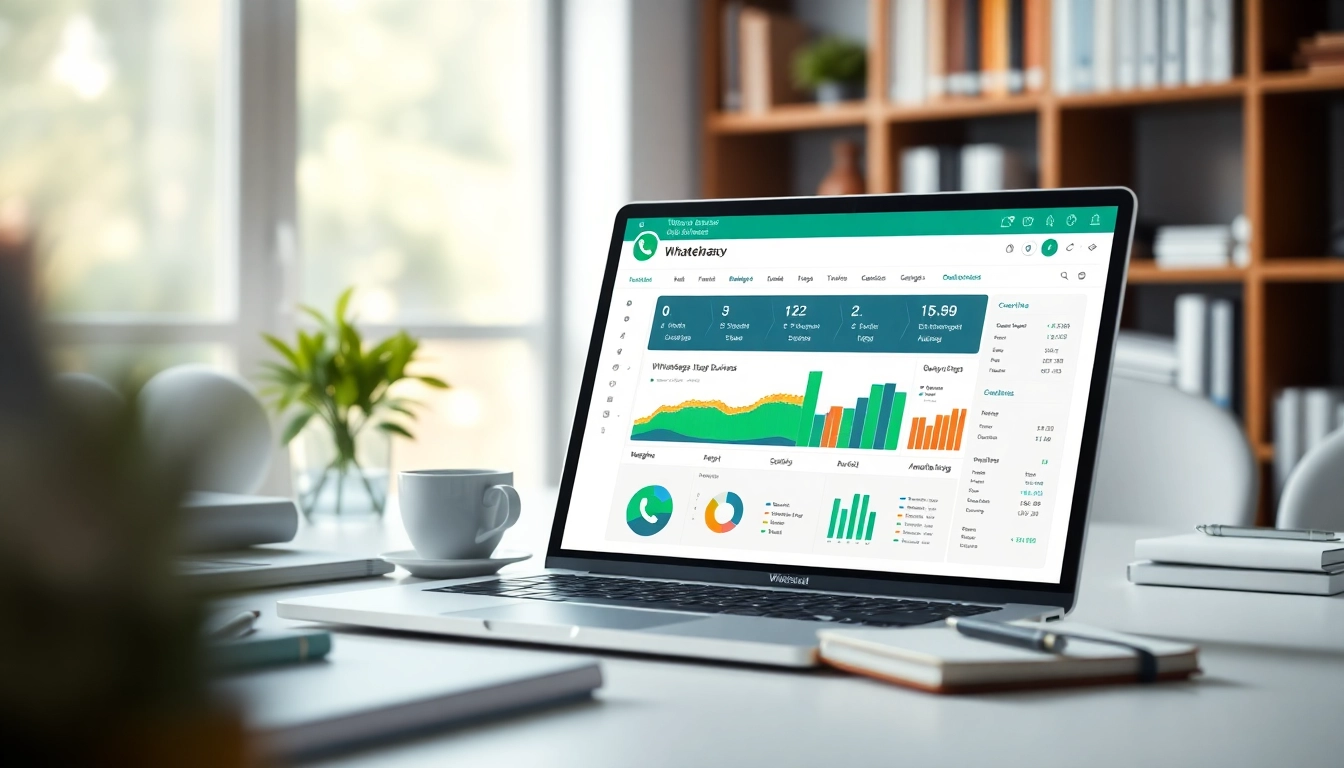
Understanding WhatsApp Business CRM
In the ever-evolving landscape of digital communication and customer relationship management, the integration of messaging platforms like WhatsApp with customer relationship management systems has gained significant traction. The WhatsApp Business CRM offers businesses a streamlined approach to manage client interactions and enhance customer engagement. This article delves into what WhatsApp Business CRM is, its core benefits, and the key features that make it a game-changer for businesses.
What is WhatsApp Business CRM?
WhatsApp Business CRM refers to the amalgamation of WhatsApp messaging services with customer relationship management functionalities. This synergy allows businesses to engage with customers directly through WhatsApp, leveraging the platform's ubiquity and user-friendliness. Companies can handle communications, inquiries, and customer service through one of the world's most popular messaging apps, seamlessly integrating it into their business processes.
The Benefits of Using WhatsApp Business CRM
Adopting a WhatsApp Business CRM can profoundly impact companies' operations and customer interactions. Below are some pivotal benefits:
- Enhanced Customer Engagement: WhatsApp offers a unique platform where businesses can interact in real-time with their customers, facilitating immediate replies and fostering stronger relationships.
- Higher Response Rates: Due to the popularity of WhatsApp, customers are more likely to open and respond to messages received via the app compared to traditional email or SMS.
- Multimedia Communication: Businesses can utilize text, images, videos, and documents, allowing for richer communication that can illustrate products and service offerings better.
- Cost-Effective: WhatsApp messaging typically incurs lower costs compared to traditional communication methods, making it an economical choice for customer outreach.
Key Features of WhatsApp Business CRM
To maximize the potential of WhatsApp for business purposes, several key features are integral to WhatsApp Business CRM systems:
- Automated Messaging: Businesses can set up automated responses for frequently asked questions, ensuring customers receive timely replies even outside business hours.
- Contact Management: The CRM functionality allows businesses to organize and categorize customer contacts, making it easier to tailor conversations and track interactions.
- Analytics and Reporting: Insight into messaging performance, responsiveness, and customer engagement metrics can be accessed to fine-tune communication strategies.
- Integration with Other Tools: Seamless integration with existing systems, such as e-commerce platforms and customer databases, facilitates a unified operational approach.
Choosing the Right WhatsApp Business CRM
Despite the clear benefits of WhatsApp Business CRM, selecting the right solution for your specific business needs is crucial. In a saturated market, understanding the options available can help you make the right choice.
Types of WhatsApp Business CRM Solutions
There are various types of WhatsApp Business CRM solutions available, each catering to different business needs:
- Cloud-Based Solutions: These CRMs operate online and provide easy accessibility without the need for extensive infrastructure.
- On-Premise Solutions: For businesses that prefer to maintain control over their data, on-premise solutions offer the ability to host everything on local servers.
- Integrated Solutions: Some CRMs are designed specifically for integration with WhatsApp, offering a seamless user experience.
Comparing Popular WhatsApp Business CRM Platforms
When seeking a WhatsApp Business CRM, reviewing various platforms is essential. Consider factors such as user interface, pricing, customer support, and features that align with your business processes. It can help to look at customer reviews and case studies for real-world insights into how each platform performs.
Considerations for Selecting a WhatsApp Business CRM
Choosing the right WhatsApp Business CRM requires thoughtful consideration of the following:
- Scalability: Ensure the solution can grow with your business demands.
- User-Friendliness: The interface should be straightforward so your team can adopt it quickly without significant training.
- Cost: Evaluate your budget constraints and what features are essential for your operations.
- Data Security: Since customer data is sensitive, prioritize vendors with strong security protocols in place.
Integrating WhatsApp Business CRM with Existing Tools
A successful WhatsApp Business CRM integration with existing tools can create a cohesive operational structure. This section outlines best practices and strategies to achieve this smoothly.
Best Practices for CRM Integration
When integrating a WhatsApp Business CRM, follow these best practices:
- Identify Integration Points: Determine which existing platforms (e.g., e-commerce, customer service) need to integrate with the CRM.
- Use APIs Effectively: Implement Application Programming Interfaces (APIs) that can facilitate seamless data exchange between systems.
- Test Before Deploying: Conduct thorough testing in a sandbox environment to prevent disruptions in service.
How to Link WhatsApp to Your Current CRM
Linking WhatsApp to your existing CRM system can be accomplished through specialized software solutions. Ensure that the platform you choose allows for this integration. Key steps typically include:
- Accessing your existing CRM’s settings.
- Locating the integration section and selecting WhatsApp as an option.
- Following the prompts to authorize and link the accounts.
- Configuring messaging settings and templates as necessary.
Automation Strategies with WhatsApp Business CRM
Automating specific tasks within the WhatsApp Business CRM can significantly improve efficiency. Strategies include:
- Setting Up Auto Responses: Configure responses for common customer inquiries to reduce manual effort.
- Scheduling Messages: Use automation to send reminders or follow-ups at designated times.
- Segmenting Customer Lists: Automatically categorize contacts based on behaviors, preferences, or purchase history to allow for personalized messaging.
Improving Customer Communication Through WhatsApp Business CRM
Effective communication is the backbone of customer relationships. This section delves into strategies to enhance engagement through WhatsApp Business CRM.
Engagement Tactics Using WhatsApp Business CRM
To enhance customer engagement via WhatsApp Business CRM, businesses can implement the following tactics:
- Personalized Messaging: Use customer data to tailor messages according to individual preferences or purchase history.
- Rich Media Sharing: Leverage multimedia capabilities to showcase products and services, making communications more appealing.
- Interactive Content: Implement surveys, polls, or quizzes within chat to encourage customer participation.
Case Studies of Successful WhatsApp Business CRM Implementation
Analyzing success stories can provide valuable insights into effective strategies. Look for businesses that have improved customer engagement or streamlined operations through WhatsApp Business CRM. Consider how these companies leveraged automation, customer segmentation, and personalized messaging to drive results.
Measuring Success: Metrics and KPIs with WhatsApp Business CRM
Establishing metrics and KPIs is crucial in assessing the effectiveness of WhatsApp Business CRM. Key performance indicators should include:
- Response Time: Measure the average time it takes to respond to customer inquiries.
- Engagement Rate: Analyze how many customers interact with messages sent through WhatsApp.
- Customer Satisfaction: Use surveys and feedback mechanisms to gauge overall customer satisfaction post-interaction.
The Future of WhatsApp Business CRM
As customer expectations evolve, so too must business strategies. The future of WhatsApp Business CRM is promising, with trends and anticipated enhancements on the horizon.
Trends in Customer Relationship Management
Key trends shaping the future of customer relationship management include increased use of AI for support chatbots, a growing focus on personalized customer journeys, and the emphasis on omnichannel strategies that ensure consistent messaging across various platforms, including WhatsApp.
Anticipated Enhancements in WhatsApp Business CRM
The potential for enhancements in WhatsApp Business CRM is vast. Future developments could include:
- Improved AI Integration: Dedicating resources to AI technology can enable more proactive customer service and create more refined automated responses.
- Advanced Analytics: Enhanced analytics tools that provide deeper insights into customer behavior and preferences.
- Expanded Functionality: More features enabled through WhatsApp, such as advanced chat functions and payment integrations, driving seamless commerce.
Preparing Your Business for the Future of Communication
To prepare for the future, businesses should embrace flexible strategies that allow them to adapt quickly to changing technologies and fleeting customer preferences. Continuing to invest in customer relationship management software that integrates smoothly with communication tools like WhatsApp is crucial to remain competitive.