The Importance of Wedding Photography
Wedding photography is an essential aspect of any wedding celebration, capturing the moments that define one of the most significant days in a couple's life. This art form is more than just taking pictures; it’s about narrating a couple’s journey, preserving emotions, and creating timeless pieces of art that can be cherished for generations. From intimate moments shared between the couple to the grand celebrations with family and friends, Wedding photography plays a pivotal role in encapsulating these experiences.
Creating Timeless Memories
Wedding photography provides couples with a treasure trove of memories that can be revisited throughout their lives. When you look back at your wedding photos, you are not merely reminded of who was there but also of the emotions you felt during those moments. Every smile, every tear, and every gesture is forever captured, allowing you to relive the day in a way that words alone cannot encapsulate. High-quality photography immortalizes these fleeting moments, ensuring that they remain vibrant even as time passes.
How Photography Tells Your Love Story
The narrative of love is enriched and deepened through the lens of photography. Each snapshot represents a chapter of the couple's journey, illustrating their bond, shared experiences, and the culmination of their love in the form of marriage. Talented photographers are adept at capturing the essence of a relationship, showcasing not just the wedding events but the unique story that leads to the altar. By strategically capturing candid moments and intimate exchanges, wedding photography can convey an emotional depth that engages viewers and connects them to the narrative.
Wedding Photography Styles Explained
Wedding photography is not one-size-fits-all; various styles cater to different tastes and preferences. Understanding these styles will help couples determine what resonates most with them.
- Traditional Photography: This classic approach includes posed portraits, focusing on family and friends, the ceremony, and formal compositions.
- Candid Photography: Candid styles capture spontaneous moments and genuine emotions, often without the subjects being aware of the photographer’s presence.
- Documentary Photography: A narrative style that focuses on telling the story of the day through a series of events, highlighting the experience as it unfolds.
- Fine Art Photography: This style merges the art of photography with a more artistic approach, resulting in striking and sometimes conceptual images.
- Black and White Photography: Choosing monochrome imagery provides a timeless quality that emphasizes emotions and textures over color.
Choosing the Right Wedding Photographer
Selecting the right photographer can be one of the most critical decisions in wedding planning. The right choice will not only capture stunning images but also align with your personal style and vision.
What to Look for in a Wedding Photography Portfolio
When assessing potential photographers, explore their portfolios thoroughly. Look for consistency in quality and style across different weddings. Notice how they handle lighting, composition, and emotion. A diverse portfolio showcasing various venues and lighting scenarios suggests versatility and expertise. Ensure that the images evoke emotions and tell stories; this is the hallmark of an exceptional wedding photographer.
Questions to Ask Potential Photographers
Engaging potential photographers in conversation is essential to gauge compatibility and ensure their understanding of your vision. Consider asking:
- What is your photography style, and how would you describe your work?
- How many weddings have you photographed?
- Do you have backup equipment in case of technical issues?
- What is included in your packages?
- How long after the wedding will I receive my images?
Understanding Pricing Trends in Wedding Photography
Wedding photography prices can vary widely based on experience, location, and the services offered. On average, couples should expect to allocate a significant portion of their budget to photography, often ranging from a few hundred to several thousand dollars. Factors influencing pricing include the photographer's experience level, the duration of coverage, the complexity of post-production work, and additional services such as engagement sessions or albums.
Preparing for Your Wedding Photography Session
Preparation is key to ensuring a successful photography experience on your wedding day. A well-structured plan can alleviate stress and help capture the best moments.
Planning the Timeline of Your Big Day
A well-constructed timeline incorporating photography sessions is essential. Discuss with your photographer the best times for key moments, such as the first look, family portraits, and bridal party shots. A carefully curated timeline allows you to allocate ample time for each segment, fostering a relaxed atmosphere conducive to beautiful photography.
Incorporating Personal Touches in Your Shoot
Personalizing your wedding shoot with intimate details enhances the story told through your images. This might include heirloom pieces, favorite locations, or specific rituals that represent your unique journey as a couple. Communicating these preferences to your photographer helps create a tailored experience that truly reflects your love story.
Communicating with Your Photographer
Establishing open lines of communication with your photographer is vital. Regular discussions about your expectations and any specific shots you envision can prevent misunderstandings and ensure that your vision is realized. Additionally, sharing a shot list can serve as a guide, helping the photographer capture essential moments without missing anything important.
Best Locations for Wedding Photography
The choice of venue can greatly influence the style and quality of wedding photography. Various locations offer unique backdrops that add character and depth to your images.
Outdoor vs Indoor Venue Choices
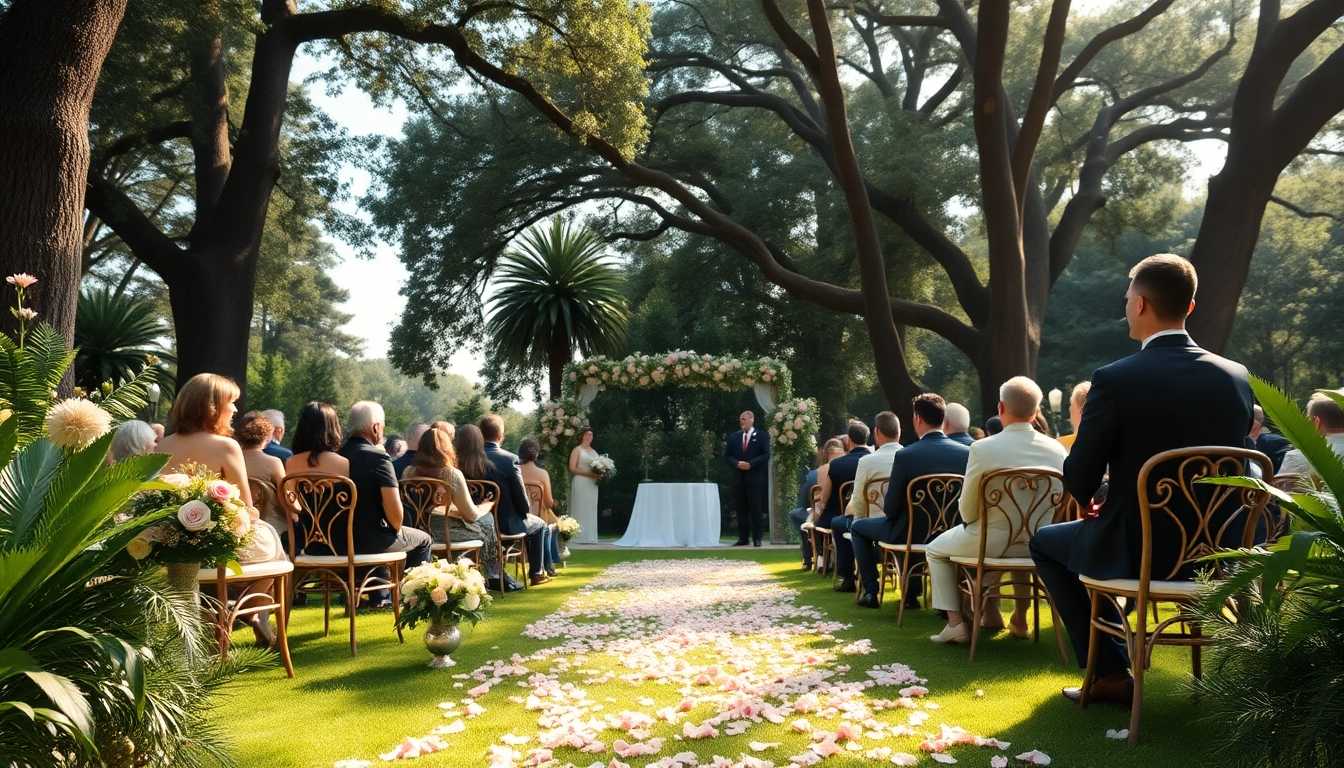
Outdoor venues provide natural light, expansive views, and often beautiful landscapes that enhance photographic composition. Conversely, indoor venues can offer intimacy and controlled lighting, which can result in striking portraits. Understanding how different settings impact photography can help you make informed decisions about your ideal venue.
Utilizing Public Spaces for Stunning Shots
Public spaces like parks, gardens, and city landmarks can serve as fantastic backdrops for wedding photography. They often offer unique architectural elements and natural beauty that can elevate your photos. Just be sure to check for permits if planning to shoot in high-traffic areas or sites requiring permission.
Unique Themes for Your Wedding Photography
Consider theming your wedding photography to reflect your personality as a couple. This could include vintage styles, bohemian aesthetics, or glamorous Hollywood-inspired shoots. Together with your photographer, curate a visual theme that extends throughout the day, ensuring a cohesive collection of images.
Post-Wedding: Editing and Sharing Your Photos
The work doesn’t end after the last dance. Post-processing is a critical phase where your photos are transformed into polished pieces of art.
Understanding the Editing Process
Post-processing typically involves color correction, cropping, and retouching to create the final images. Discuss your editing preferences with your photographer beforehand—whether you prefer vibrant colors or a more muted palette—to ensure your photos resonate with your vision.
How to Select Images for Your Album
Choosing images for your wedding album can be a daunting task. Focus on selecting a mix of candid shots, portraits, and detail pictures that tell the story of your day. Consider creating a storyboard or selecting images that highlight key moments, emotions, and interactions throughout the event.
Sharing and Preserving Your Wedding Photography
Once your photos are edited, it’s time to share them with loved ones. Consider using online galleries or social media for easy sharing while being mindful of your privacy. Additionally, investing in physical prints or an album allows you to preserve these cherished memories for years to come, making them accessible in various formats for generations.
FAQs About Wedding Photography
What is a typical budget for wedding photography?
The budget for wedding photography varies widely but can range from a few hundred to several thousand dollars, depending on the photographer's experience and services provided.
How long does it take to receive wedding photos?
Typically, couples can expect to receive their edited wedding photos within four to eight weeks. Factors like the photographer's workflow and the season can affect this timeline.
What should I look for in a wedding photographer's portfolio?
Look for consistency in style and quality across varied weddings, emotional storytelling through images, and versatility in handling different lighting and environments.
Should I consider a second shooter for my wedding?
A second shooter can capture additional angles and moments, ensuring a fuller representation of your day. It can be especially beneficial during larger weddings.
What poses should we practice before our wedding shoot?
Practice natural, candid poses and consider classic shots like a first look or walking hand-in-hand. Communicating with your photographer will also help ease any nervousness.