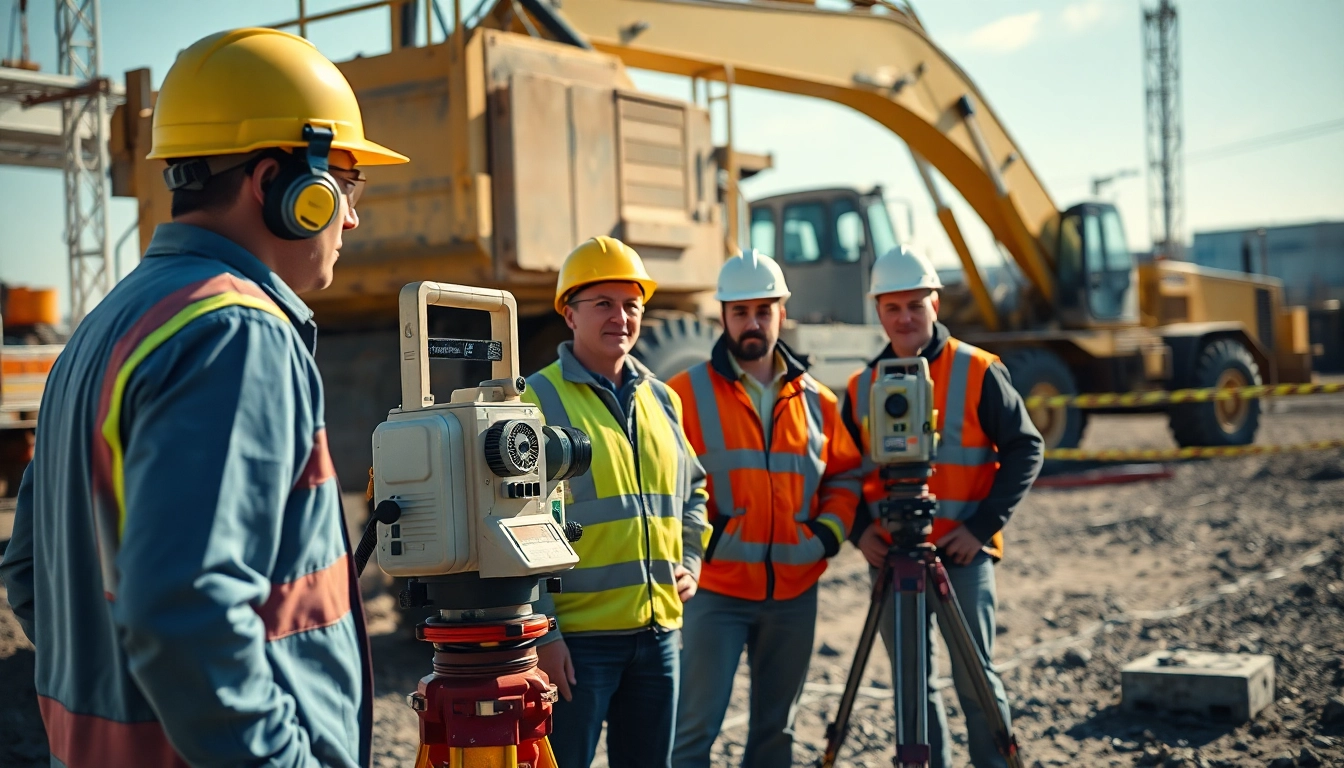
Understanding the Importance of Construction Safety Classes
Defining Construction Safety and Its Benefits
Construction safety is a critical aspect of the construction industry that emphasizes the importance of creating a safe working environment for employees. It encompasses a range of practices and regulations designed to prevent accidents, injuries, and fatalities on job sites. The benefits of implementing robust safety measures extend beyond compliance with laws and regulations; they foster a healthier workforce, increase productivity, and enhance the company's reputation among clients and stakeholders. By investing in construction safety classes, organizations can gain invaluable tools and knowledge that contribute to safer workplace practices.
Common Risks in the Construction Industry
Construction sites are inherently risky environments, where various hazards can lead to serious injuries or even death. Some of the most common risks include:
- Falls: Often regarded as one of the leading causes of construction-related injuries, falls can occur from heights, such as scaffolding or ladders, particularly if proper precautions are not taken.
- Being struck by objects: Workers can be injured by falling tools, materials, and equipment, underscoring the need for proper site management and communication.
- Electrical hazards: The risk of electrocution is significant, especially when working with unprotected wiring or equipment near water.
- Caught-in/between accidents: These incidents happen when workers are trapped or caught between heavy machinery or equipment, necessitating strict safety protocols.
- Exposure to hazardous materials: Workers often face risks from asbestos, chemicals, or other toxic substances that can adversely affect their health.
How Construction Safety Classes Help Mitigate Risks
Construction safety classes play a vital role in minimizing risks associated with the construction industry. They equip employees with the knowledge and skills necessary to recognize potential hazards and implement effective preventative measures. Safety training covers essential topics such as the correct use of personal protective equipment (PPE), hazard communication, and emergency preparedness. By providing workers with proper training, organizations can significantly reduce accident rates, leading to fewer injuries and fatalities on site. Moreover, fostering a culture of safety through education promotes accountability and empowers workers to look out for each other, ultimately creating a more cohesive and effective work environment.
Key Components of Effective Construction Safety Classes
Essential Topics Covered in Training Sessions
Effective construction safety classes cover a range of crucial topics designed to enhance the participants' understanding of safety practices. Key topics include:
- Hazard Recognition: Teaching participants how to identify potential hazards before they lead to accidents.
- Personal Protective Equipment (PPE): Instruction on the proper use, maintenance, and necessity of PPE such as helmets, gloves, and harnesses.
- Fall Protection: Strategies to minimize fall risks, including the use of guardrails, safety nets, and personal fall arrest systems.
- Emergency Response: Preparing workers for potential emergencies, including first aid procedures and evacuation plans.
- Tool Safety: Proper use and maintenance of hand and power tools to reduce injury risks.
Learning Methods: Classroom vs. Hands-On Training
When it comes to construction safety classes, various learning methods can be utilized to maximize absorption of information and practical skills. Classroom training provides a foundational understanding of safety principles and engages participants through discussions and presentations. However, hands-on training is vital for reinforcing these concepts in a practical environment. Simulating real-life scenarios allows participants to apply their knowledge under controlled conditions, build muscle memory, and engage with their peers actively, significantly enhancing retention and confidence in implementing safety measures in the field.
Qualifications of Instructors in Safety Training
The effectiveness of construction safety classes largely hinges on the qualifications of the instructors. Experienced trainers with a background in construction management, occupational safety, or a related field bring invaluable insights into the training sessions. Ideally, instructors should possess relevant certifications (such as OSHA certifications) and have firsthand experience working on construction sites. This expertise not only enhances the credibility of the training but also enables them to present real-world examples, challenges, and solutions that resonate with participants.
Choosing the Right Construction Safety Classes for Your Needs
Determining Your Training Objectives and Skills Gap
Before enrolling in construction safety classes, organizations should conduct a thorough assessment of their training objectives and identify existing skills gaps among employees. This analysis can include evaluating incident reports, conducting employee surveys, or consulting with safety officers. Understanding specific needs allows companies to tailor their training programs to address the most pressing issues effectively, leading to a more relevant and engaging learning experience for all participants.
Evaluating Local vs. Online Class Options
With the rise of digital education, construction safety classes are available in both local and online formats. Local classes provide the advantage of in-person interaction and hands-on training, allowing participants to engage directly with instructors and peers. On the other hand, online classes offer flexibility and convenience, enabling workers to complete training sessions at their own pace. Organizations should weigh the pros and cons of each option and consider the specific needs of their workforce. Both formats can be effective; however, ensuring that the chosen method aligns with the company's training goals is essential.
Cost Considerations and Training Budgets
Investing in construction safety classes necessitates careful consideration of budget constraints and financial resources. Companies should assess costs associated with training materials, instructor fees, facility expenses, and employee time away from work. While initial expenses might seem high, the potential savings from reduced incidents and improved productivity can ultimately lead to a significant return on investment. Budgeting for ongoing training and refresher courses is also wise, as safety protocols and regulations can evolve over time.
Implementation of Safety Protocols After Training
Creating a Safety Culture at Your Workplace
Once training has been completed, successfully implementing safety protocols requires a commitment to fostering a safety culture within the organization. This involves promoting open communication about safety concerns, regularly reinforcing the importance of safety measures, and encouraging employee involvement in safety committees or initiatives. Recognition programs can be introduced to reward safe behaviors and practices, motivating employees to prioritize safety in their daily tasks.
Integrating Best Practices into Daily Operations
Integrating best practices into daily operations is essential for cementing safety protocols in the workplace. This can be achieved by creating clear and comprehensive safety procedures, ensuring easy access to safety information, and conducting regular site inspections. Regular safety meetings should be held to review procedures, address any arising issues, and provide continuous training opportunities. Organizations can draw on lessons learned from past incidents to update their protocols accordingly, allowing for an adaptive and responsive safety management system.
Tools and Resources for Ongoing Safety Education
Continued safety education and training are critical for maintaining a safe work environment. Organizations can utilize numerous online tools and resources to supplement formal training, including webinars, safety podcasts, and online forums or discussion groups. Additionally, safety manuals, educational videos, and regular newsletters can help keep safety top of mind for employees. Encouraging a mindset of lifelong learning can significantly contribute to an informed workforce that actively prioritizes safety.
Measuring the Impact of Construction Safety Classes
Key Performance Indicators for Safety Training Success
To gauge the effectiveness of construction safety classes and overall safety initiatives, organizations should establish relevant Key Performance Indicators (KPIs). Common KPIs include tracking the number of reported incidents, comparing accident rates before and after training, and evaluating employee engagement in safety programs. Analyzing these metrics provides valuable insights into the effectiveness of training and helps identify areas needing improvement.
Feedback Mechanisms for Continuous Improvement
Effective feedback mechanisms play a critical role in the continuous improvement of safety training programs. Gathering constructive feedback from participants, instructors, and safety personnel can help organizations identify strengths and weaknesses. Surveys, interviews, and open forums create an opportunity for participants to share their experiences and insights. By acting on this feedback, organizations can refine and enhance training content and delivery methods, ensuring they remain relevant and impactful.
Success Stories and Case Studies in Safety Training
Examining success stories and case studies can provide inspiration and guidance for organizations seeking to enhance their construction safety training programs. Real-world examples of companies that have effectively implemented safety classes and the measurable results achieved can illustrate the benefits of prioritizing safety. These narratives offer practical insights into overcoming challenges, engaging employees, and fostering a culture of safety, encouraging others to pursue similar initiatives.
Frequently Asked Questions
What are the key benefits of construction safety classes?
Construction safety classes help reduce accidents, improve communication, and foster a culture of safety, ensuring a better work environment.
How long does a typical construction safety class last?
Most classes range from a few hours to multiple days, depending on the depth of content covered and the training format.
Are online construction safety classes as effective as in-person?
Yes, online classes can be very effective; they often include interactive elements and multimedia resources to enhance learning.
Who should attend construction safety classes?
Construction safety classes are essential for employees, supervisors, and managers in the construction industry at any experience level.
What topics are commonly covered in construction safety classes?
Common topics include hazard recognition, personal protective equipment, fall protection, and emergency response protocols.