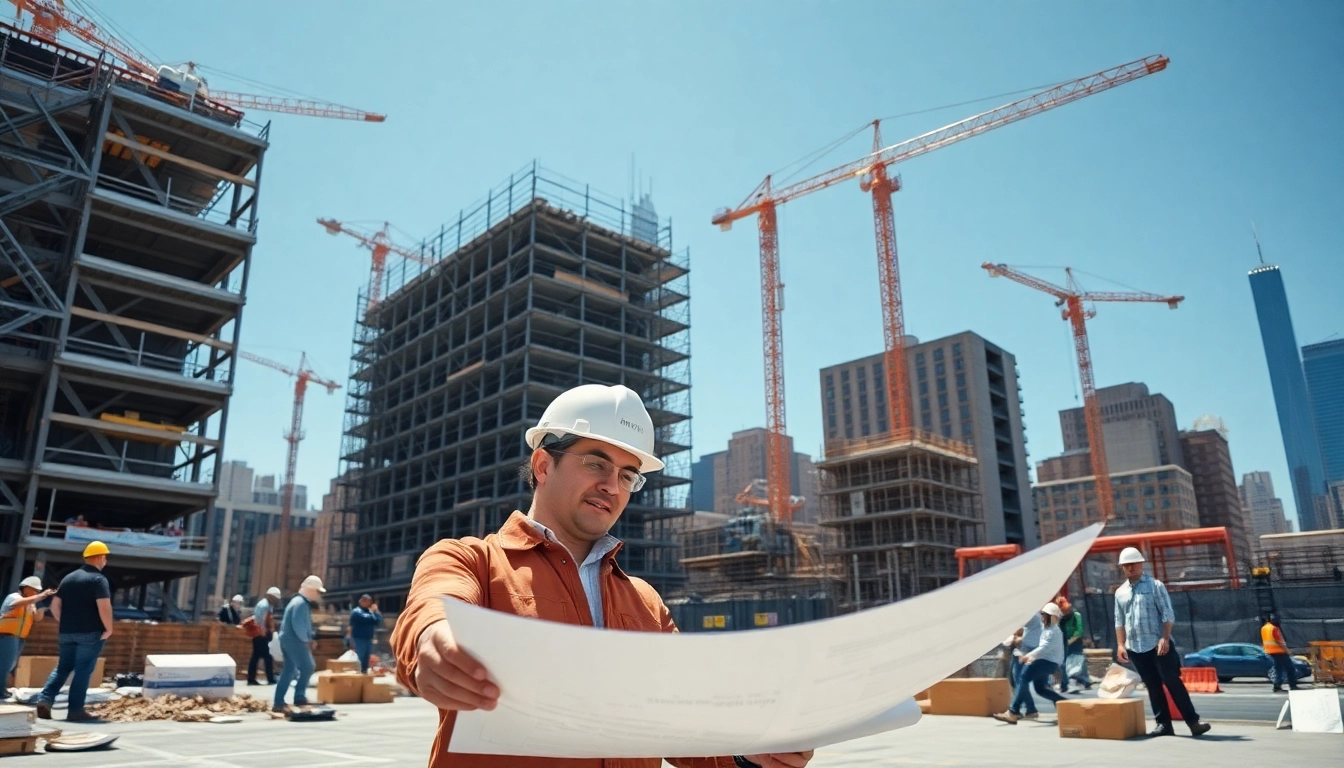
Understanding the Role of a New York City Commercial General Contractor
The importance of a New York City Commercial General Contractor cannot be overstated in the bustling urban landscape of one of the world’s most iconic cities. These professionals play a pivotal role in transforming visions into tangible realities, managing diverse construction projects that range from skyscrapers to local retail establishments. But what exactly does a commercial general contractor do in the context of New York City? This article delves into their core responsibilities, the project lifecycle, and the regulatory landscape that shapes their operational environment.
Core Responsibilities and Functions
A commercial general contractor in New York City holds a myriad of responsibilities essential for the successful execution of construction projects. Here are the primary functions they fulfill:
- Project Management: Overseeing a project from inception to completion, ensuring that every phase aligns with the established goals.
- Coordination of Trades: Managing subcontractors and various trades to ensure cohesive teamwork, scheduling, and quality control.
- Budget Management: Developing and adhering to the project’s budget, controlling costs, and making adjustments as necessary.
- Client Liaison: Maintaining open lines of communication with clients to ensure transparency and manage expectations throughout the project.
- Risk Management: Identifying potential risks and implementing strategies to mitigate them.
Project Lifecycle from Planning to Completion
The lifecycle of a construction project typically involves several key phases, each critical for a successful outcome:
- Pre-Construction: This phase includes initial consultations, site assessments, and feasibility studies to determine project viability.
- Design Development: Collaborating with architects and engineers to finalize project plans and procure necessary permits.
- Construction: Commencing work on-site, which involves actual building activity, installation of systems, and regular inspections.
- Post-Construction: Completing the project, addressing issues, and conducting a final walkthrough with the client to ensure satisfaction.
Regulatory Compliance and Safety Standards
Operating in New York City requires adherence to stringent regulations and safety standards. General contractors must stay updated on local building codes, zoning laws, and OSHA safety regulations to avoid costly penalties and ensure the well-being of workers and the public. Compliance not only enhances safety but also fosters trust in the contractor-client relationship.
Choosing the Right New York City Commercial General Contractor
Selecting the appropriate general contractor is crucial for the success of any commercial project. Various factors should be considered to ensure the right fit for specific needs.
Evaluating Experience and Credentials
It's vital to assess a contractor's experience in the industry. Look for credentials such as licenses, insurance, and bonding, which are essential for protection against potential liabilities. Evaluate their experience in similar projects, which can provide insight into their expertise and reliability.
Assessing Portfolio and References
Reviewing a contractor's portfolio allows potential clients to view past projects and gain an understanding of their capabilities. References from previous clients can provide first-hand insights into their work ethic, professionalism, and ability to deliver on time and within budget.
Understanding Cost Structures and Quotes
When receiving quotes from general contractors, it’s important to understand not only the estimated costs but also how these costs are structured. Clients should inquire about any potential additional costs and ensure that the quotes align with their budget without sacrificing quality.
Key Challenges Faced by New York City Commercial General Contractors
Despite their expertise, commercial general contractors in New York City encounter several challenges that can complicate project execution. Navigating these issues effectively is crucial for maintaining timelines and budgets.
Navigating Permitting and Zoning Issues
One of the most daunting aspects of construction in New York City is dealing with the permitting and zoning process. Each project must comply with city zoning laws, and obtaining necessary permits can be time-consuming. Successful contractors are adept at navigating this bureaucracy, understanding how to work efficiently with city agencies to minimize delays.
Managing Project Timelines and Budgets
Time management and budgeting are critical components of successful project execution. Delays or unforeseen expenses can occur, so having contingency plans and a flexible approach is vital. Effective communication with all parties involved keeps the project on track and within established budgets.
Dealing with Weather and Environmental Factors
The unpredictable nature of New York City weather poses significant challenges to construction projects. From snowstorms to heat waves, managing environmental impacts requires strategic planning and adaptability. Contractors must closely monitor weather forecasts and adjust their schedules accordingly to mitigate delays.
Innovations in the Construction Industry for New York City
The construction industry is rapidly evolving, particularly in an urban environment like New York City. Innovations in technology and practices are reshaping how projects are managed and executed.
Incorporating Sustainable Practices
Sustainability is no longer optional; it is a necessity in modern construction. Incorporating green building practices, using sustainable materials, and ensuring energy efficiency are critical to meeting client demands and regulatory requirements. Contractors who prioritize sustainability can also reduce operating costs and attract more environmentally-conscious clients.
Leveraging Technology and Software for Efficiency
Technological advancements have revolutionized the construction industry, with software tools available to facilitate project management, scheduling, and cost estimation. Tools like Building Information Modeling (BIM) provide a virtual representation of the physical and functional characteristics of the project, enhancing collaboration and reducing errors.
Trends in Commercial Design and Building
Staying abreast of trends in commercial design is essential for general contractors. From modern aesthetic preferences to the integration of smart building technologies, understanding what clients and end-users want can profoundly impact project success. General contractors must position themselves as knowledgeable about current trends in order to cater to evolving client needs.
Measuring Success for New York City Commercial General Contractor Projects
The effectiveness of a project is not only defined by its successful completion but also by the parameters used to measure that success. General contractors must evaluate various performance metrics to assess the overall outcome of their projects.
Performance Metrics and KPIs
Key Performance Indicators (KPIs) provide measurable values that assess the performance of a contractor throughout the project's lifecycle. Metrics such as on-time delivery, adherence to budget, and quality of work are fundamental indicators that help contractors evaluate their effectiveness.
Client Satisfaction and Feedback
Understanding client satisfaction is crucial for a contractor’s reputation and future work prospects. Regular feedback collection post-project completion can provide insights into areas for improvement and reinforce successful practices. Positive client relationships can lead to repeat business and referrals.
Continuous Improvement for Future Projects
The construction industry is in a constant state of evolution, and so are the challenges faced by contractors. Committing to continuous improvement involves reflecting on past projects, learning from feedback, and integrating innovative practices to enhance operational efficiency and client satisfaction.
In conclusion, the role of a New York City commercial general contractor is multifaceted and complex, filled with challenges but also opportunities. By understanding their responsibilities, choosing the right contractor, managing challenges, embracing innovation, and measuring success, stakeholders can ensure that their construction projects not only meet but exceed expectations, contributing to the dynamic fabric of the city.