Understanding the Importance of Home Appliances
What Defines Home Appliances?
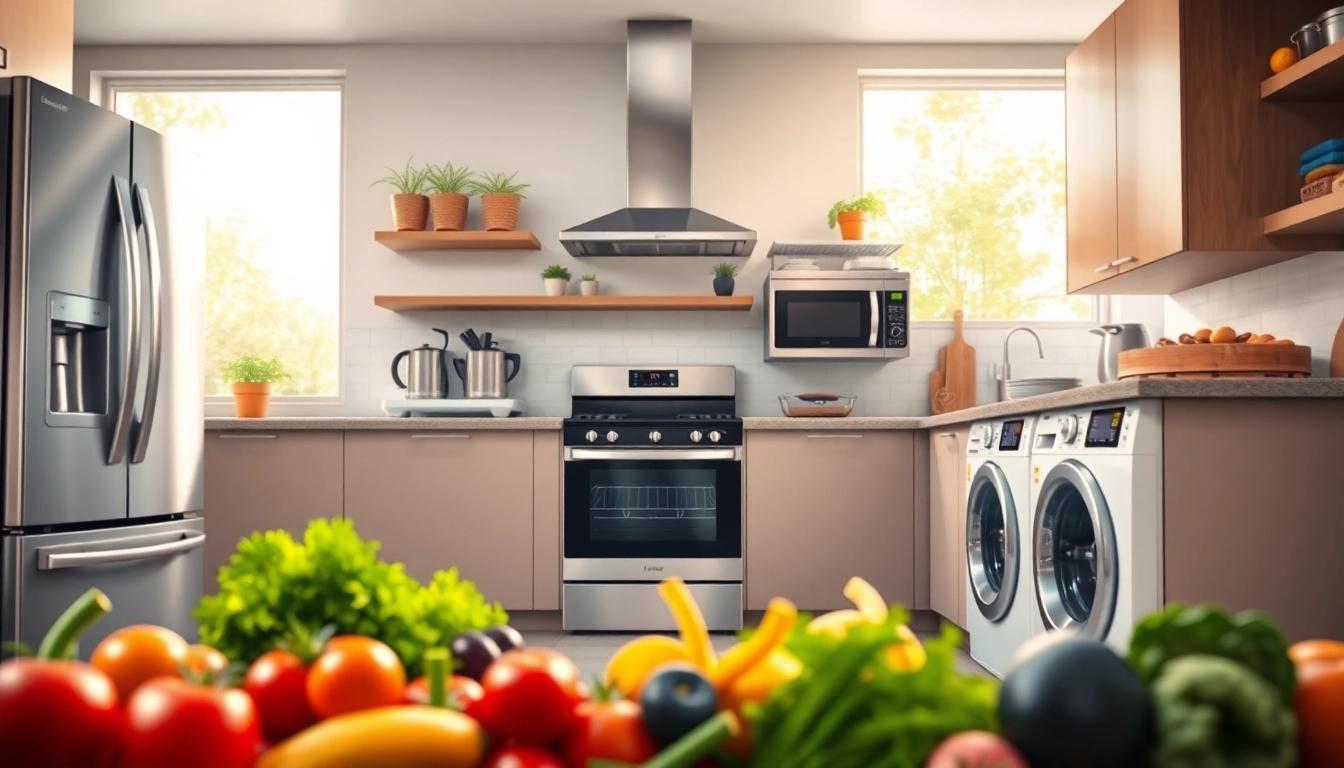
Home appliances are essential tools that make our daily lives easier and more convenient. These devices, ranging from washing machines and refrigerators to microwaves and coffee makers, serve various functions that support household tasks. They are generally categorized into two groups: major appliances, which are typically large and fixed in place, and small appliances, which are portable and can be moved easily within the home. The key feature of home appliances is their ability to automate mundane activities, thus saving time and effort.
How Home Appliances Enhance Daily Living
Imagine a life without home appliances; tasks would become labor-intensive and time-consuming. Home appliances streamline chores such as cooking, cleaning, and laundry, enhancing our quality of life. For instance, a refrigerator keeps food fresh, while a washing machine cleans clothes quickly and efficiently. These appliances not only increase efficiency but also promote better health and safety by ensuring cleanliness and preserving food. When you invest in reliable home appliances, you invest in your comfort and ease at home.
Appliance Lifespan and Maintenance Tips
Understanding the lifespan of your home appliances can help you plan for replacements and maintenance. Most major appliances last between 10 to 15 years, while small appliances have a shorter lifespan of around 5 to 10 years. Regular maintenance is critical to prolonging the life of these devices. Cleaning filters, checking hoses, and ensuring proper ventilation are just a few practices that can prevent excessive wear and tear. Knowing when to call a professional for repairs can also save you from costly issues down the line.
Assessing Your Needs for Home Appliances
Identifying Essential Appliances for Your Home
When considering home appliances, it's crucial to identify which ones are essential for your lifestyle. For instance, a family with children may prioritize a large-capacity washing machine or a dishwasher to handle increased laundry and dish cleanup. On the other hand, a single individual might find a compact refrigerator and microwave to be more than adequate. Assess your habits and preferences; this self-evaluation is key to making informed choices about which appliances best suit your living situation.
Evaluating Space and Layout Considerations
Space is a critical factor when selecting home appliances. Evaluate the layout of your kitchen, laundry, and living spaces to determine the size and type of appliances that will fit without crowding. Ensuring that appliances can be used effectively without cluttering an area is essential for maintaining good flow and accessibility. Measure dimensions carefully before purchasing to guarantee a seamless fit and practicality. Consider also the appliance's placement for plumbing, electrical supply, and ventilation requirements.
Budgeting for Home Appliances: What to Expect
Budgeting for home appliances can vary widely based on type, brand, and features. Major appliances can range from hundreds to thousands of dollars depending on energy efficiency and technology. It's wise to set a realistic budget that considers both the initial purchase and potential long-term savings from energy-efficient appliances. Additionally, think about maintenance costs and warranties as an integral part of your investment. Research multiple options to receive the best value for your money.
Types of Home Appliances to Consider
Major Appliances vs. Small Appliances
Understanding the difference between major and small appliances can help you prioritize your purchases. Major appliances, such as ovens, refrigerators, and washers, typically serve the core functions of a household. In contrast, small appliances like toasters, blenders, and coffee makers assist with specific tasks. Each type of appliance plays a distinct role in enhancing daily life, and your specific needs will guide the balance between major and small appliances in your home.
Energy-Efficient Home Appliances
Increasing energy costs and environmental concerns have made energy-efficient home appliances highly desirable. These appliances consume less energy compared to standard models, helping you save money on utility bills while benefiting the environment. Look for the Energy Star label as a guideline for purchasing energy-efficient products. The initial investment may be higher, but the savings over time can be substantial, making them a financially savvy choice for homeowners.
Smart Technology in Home Appliances
The rise of smart home technology has transformed the way we use appliances. Smart refrigerators can track expiration dates, while smart ovens can be controlled via smartphone apps. These innovations bring conveniences such as remotely adjusting settings, monitoring usage, and receiving alerts for maintenance. Selecting smart appliances can enhance functionality and provide additional security, ensuring your home is both efficient and future-ready.
Choosing the Best Home Appliances for Your Space
Top Brands and Their Key Features
While many brands offer home appliances, identifying those that consistently deliver quality and reliability is essential. Look into aspects such as warranty options, energy efficiency ratings, and user-friendly features. Reading through product specifications and brand histories can help you determine which brands align with your needs and values. Prioritize those with a reputation for durability and excellent customer service.
Reading Reviews and Ratings Effectively
Reviews and ratings offer insights that guide your appliance purchase. Look for comprehensive reviews that mention not only performance but also durability and customer service experiences. Pay attention to verified buyer feedback, which often provides a more accurate depiction of an appliance's real-world performance. With a blend of expert reviews and user experiences, you can make a well-informed decision that reflects practical insights.
Appliance Fit and Aesthetic Considerations
It's vital to consider how your chosen appliances will fit into the aesthetic of your home. Modern appliances come in a range of designs, colors, and finishes, enabling you to maintain a cohesive look throughout your space. Think about how appliances will complement your kitchen or laundry area in terms of style and functionality. Selecting the right finishes and colors can enhance the overall appeal of your environment.
Maintaining and Caring for Your Home Appliances
Regular Cleaning and Maintenance Routines
Creating a consistent regimen for cleaning and maintaining your appliances can prolong their lifespan significantly. For instance, refrigerator coils should be cleaned regularly to ensure efficient cooling, while dishwashers benefit from periodic descaling. Develop a checklist for all appliances that outlines specific maintenance needs, including changing filters in items like air conditioners or exhaust hoods to maintain optimum performance.
Signs of Wear and When to Replace
Recognizing the signs that an appliance may need repair or replacement is critical. Common indicators include unusual noises, inefficient performance, and increased energy costs. Monitoring these red flags helps prevent unexpected breakdowns and ensures ongoing efficiency. When an appliance reaches the point where repairs become costly or ineffective, it may be time to consider replacement options.
Safety Tips for Using Home Appliances
Safety should always be a priority when using home appliances. Begin by reading the manufacturer's instructions thoroughly. Ensure that appliances are installed correctly and used according to guidelines. Regular inspections for frayed cords, leaking hoses, or other issues will keep your home safe. Implementing these practices not only protects your investment but also enhances the safety of your household.
Frequently Asked Questions
1. What is the average lifespan of home appliances?
The average lifespan of major home appliances is between 10 to 15 years, while small appliances last around 5 to 10 years, depending on usage and maintenance.
2. How can I maintain my home appliances?
Regular cleaning, checking components like filters, following usage guidelines, and scheduling professional inspections can maintain your appliances effectively.
3. Are energy-efficient appliances worth the investment?
Yes, energy-efficient appliances can reduce utility bills significantly, resulting in long-term savings that often outweigh the initial higher costs.
4. What factors should I consider when buying appliances?
Evaluate your space, budget, essential features, brand reputation, energy efficiency ratings, and aesthetic compatibility with your home.
5. How do smart appliances work?
Smart appliances are connected to the internet, allowing users to control and monitor appliances remotely via smartphone apps. They often provide notifications and enhanced functionality.