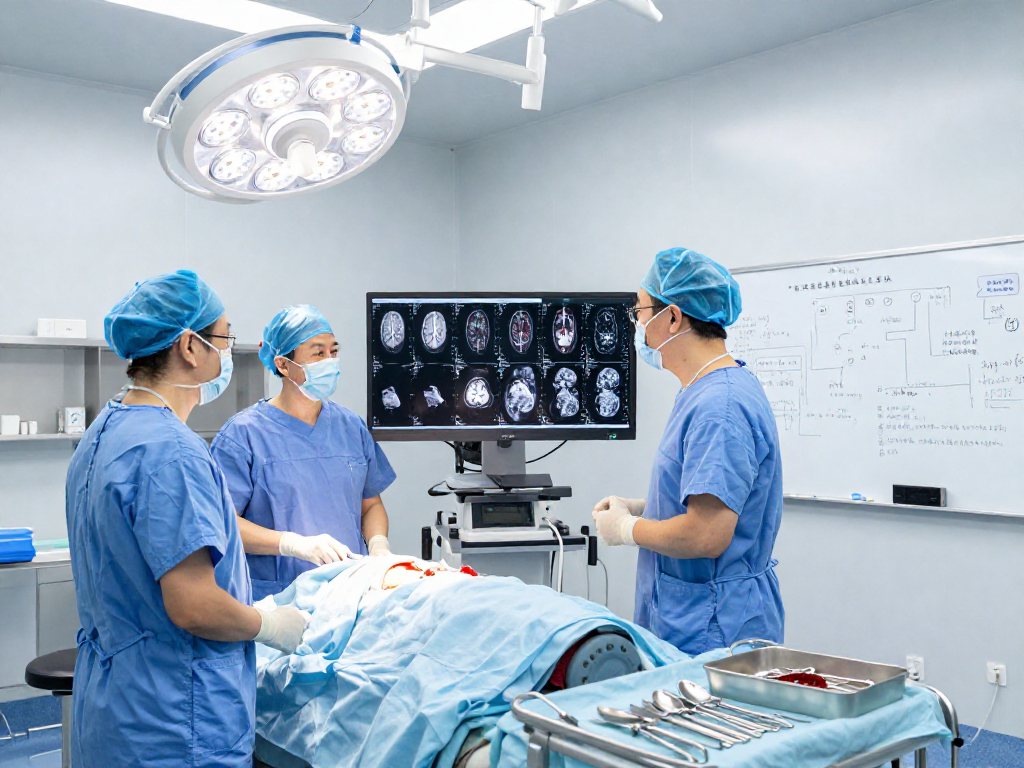
Understanding the Basics of Beyin Tümörü Ameliyatı
Beyin tümörü ameliyatı is one of the most intricate surgical procedures in modern medicine, addressing both benign and malignant brain tumors. It plays a critical role in managing various types of brain tumors, influencing not only the patient's health but also their quality of life. Understanding what a brain tumor surgery entails, the types of tumors treated, and the surgical approaches available is essential for anyone facing this daunting condition. When exploring options, beyin tümörü ameliyatı provides comprehensive insights into the surgical landscape.
What Is A Brain Tumor Surgery?
Brain tumor surgery, or neurosurgery, involves the removal of tumors from the brain using advanced techniques. The primary objective of this surgery is to eliminate the tumor, relieve pressure on the brain, and ensure the preservation of surrounding healthy brain tissue. Depending on the tumor's type, location, and grade, the surgical approach may vary significantly.
Types of Brain Tumors and Their Surgical Approaches
Brain tumors can be classified into several categories, each requiring a unique surgical strategy:
- Meningiomas: Often benign, arising from the meninges, these tumors are typically amenable to surgical removal.
- Gliomas: These include various types of tumors originating from glial cells, with glioblastoma multiforme being the most aggressive form.
- Metastatic tumors: Secondary tumors that originate from cancer spread in other body parts, requiring a tailored surgical approach.
Processes and Phases of Beyin Tümörü Ameliyatı
Diagnostic Procedures Before Surgery
Accurate diagnosis is crucial in the treatment of brain tumors. It typically involves:
- Imaging Tests: MRI and CT scans help visualize the tumor's location and characteristics.
- Biopsy: Involves extracting a small sample of the tumor tissue for pathological analysis.
- Neuropsychological Assessments: Evaluate the impact of the tumor on cognitive functions.
Surgical Techniques and Technologies Used
Modern brain surgery employs various techniques, including:
- Craniotomy: Opening the skull to access the tumor.
- Molecular Imaging: Assists in planning the exact location for incision.
- Awake Brain Surgery: In certain cases, patients may be awake during surgery to monitor brain function and minimize damage to critical areas.
Post-Operative Care and Recovery Protocols
After surgery, patient care focuses on monitoring and recovery, which typically includes:
- Intensive Care Unit (ICU) Monitoring: Close observation in the initial days post-surgery.
- Pain Management: Essential for patient comfort and recovery.
- Rehabilitation Therapy: Aimed at restoring cognitive and physical functions.
Risks and Complications of Beyin Tümörü Ameliyatı
Common Surgical Risks to Consider
Every surgical procedure carries risks, and brain tumor surgery is no exception. Potential complications include:
- Infections: A risk that necessitates preventive measures.
- Bleeding: Brain surgery could lead to significant blood loss.
- Neurological Deficits: These could manifest as speech problems, loss of coordination, or sensory deficits.
Managing Complications After Surgery
Effective management of post-operative complications is critical. This may involve:
- Immediate Imaging: To assess any internal bleeding or swelling.
- Medication: To manage seizures or pain following surgery.
- Follow-Up Appointments: Ensuring that any complications are addressed promptly.
Long-term Effects and Patient Monitoring
Long-term effects vary and require ongoing monitoring to manage. Some patients may require:
- Regular Imaging Studies: To track tumor recurrence.
- Hormonal Treatments: Especially if the pituitary gland is affected.
- Support Groups: Offering emotional and psychological support during recovery.
The Role of Gamma Knife and Other Treatments
Understanding Gamma Knife Treatment for Meningiomas
Gamma Knife therapy is a revolutionary treatment method that uses focused radiation to treat tumors. In the case of meningiomas, it offers a non-invasive alternative, especially for patients who cannot undergo traditional surgery due to health risks or the tumor’s location.
Comparative Analysis of Surgical vs. Radiotherapy Options
There are specific scenarios where surgical intervention is preferred, while others might benefit more from radiotherapy, including:
- Surgical intervention for accessible tumors vs. radiotherapy for inoperable tumors.
- Immediate results from surgery versus the gradual effect of radiation therapy.
Emerging Treatments in Brain Tumor Management
New research and clinical trials continue to evolve the treatment landscape for brain tumors. Innovations include:
- Targeted Therapies: Drugs designed to specifically target cancer cells.
- Immunotherapy: Training the body’s immune system to fight cancer.
- Personalized Medicine: Tailoring treatment plans based on individual genetic profiles.
Future Trends in Beyin Tümörü Ameliyatı for 2026
Innovations in Surgical Techniques and Technology
The future of brain tumor surgery is promising, with advancements in technology such as:
- Enhanced Imaging Techniques: Providing clearer visuals and real-time data during surgery.
- Robotic-Assisted Surgery: Increasing precision and reducing recovery time.
Patient-Centric Approaches in Neurosurgery
Future practices will increasingly focus on patient-centered approaches, recognizing the importance of the patient's role in treatment decisions and recovery processes.
What to Expect in the Coming Years?
Anticipated developments in brain tumor surgery highlight the integration of artificial intelligence (AI) in diagnostic processes, as well as the use of machine learning for predicting patient outcomes. These innovations are expected to enhance surgical success rates and improve overall patient experiences.
What are the Recovery Times Following Beyin Tümörü Ameliyatı?
Recovery times can vary widely based on individual health, the complexity of the tumor, and the type of surgery performed. Generally, it can range from a few weeks to several months. Continuous monitoring and follow-up appointments are crucial during this period to ensure proper healing.
What Should Patients Know Before Brain Surgery?
Patients should be well-informed about the procedure, potential risks, and alternative treatment options. Consulting with neurosurgeons and understanding the surgical plan can greatly reduce anxiety and improve outcomes.
How to Prepare for a Beyin Tümörü Ameliyatı?
Preparation for surgery includes physical evaluations, imaging procedures, and consultations to ensure optimal health before undergoing the procedure. Patients may also be advised to cease certain medications or lifestyle habits to enhance surgical efficacy and recovery.
What Risks Are Associated With Brain Surgery?
Understanding the risks associated with brain surgery is essential. Patients must engage in open discussions with their medical team regarding these risks to make informed decisions regarding their treatment plans.
What Follow-Up Care is Necessary After Brain Surgery?
Post-operative care is vital. For more information, beyin tümörü ameliyatı offers valuable insights. Regular follow-up visits, imaging studies, and potential physical rehabilitation are required to monitor recovery and address any complications that may arise.