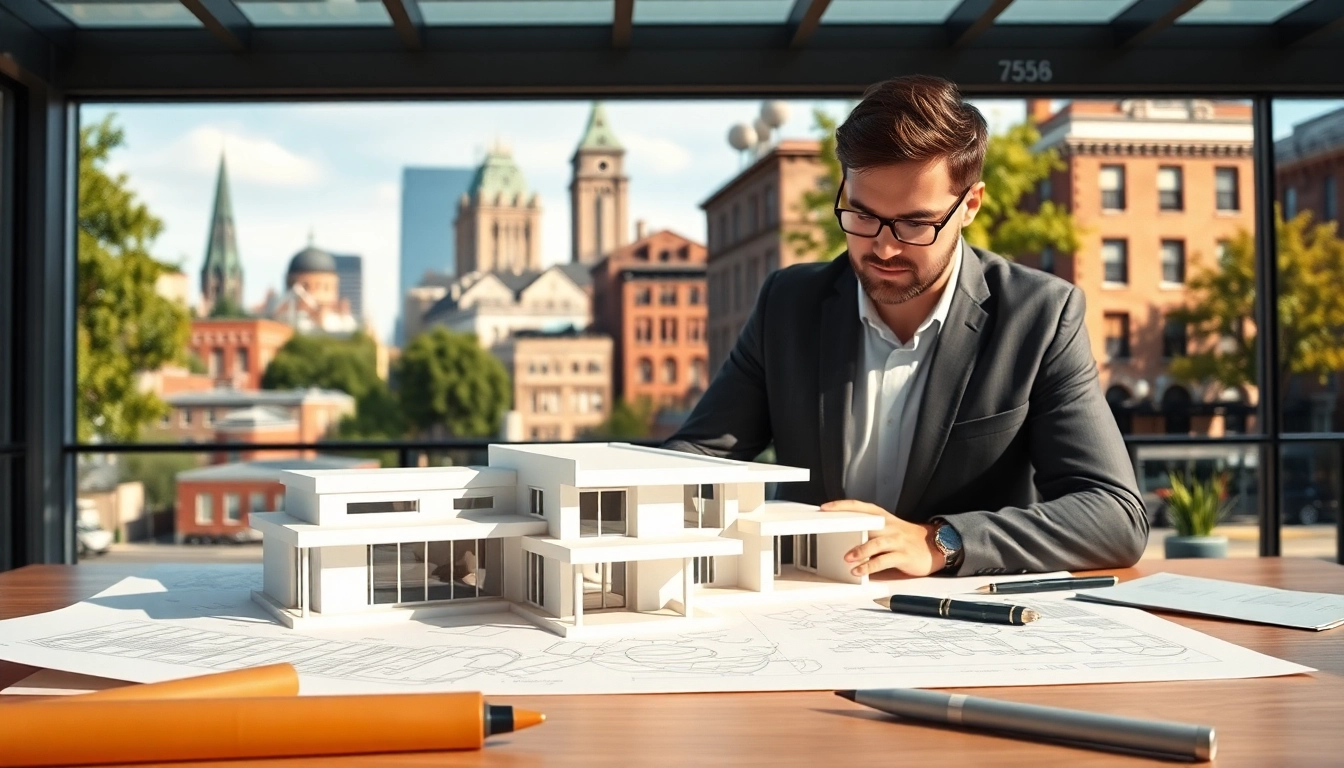
Understanding the Role of a Residential Architect Boston
Defining a Residential Architect Boston's Responsibilities
A Residential Architect Boston plays a crucial role in the design and construction of residential buildings, acting as the bridge between creativity and functionality. These professionals are tasked with understanding client needs and translating those into workable designs. Their responsibilities encompass project management, conceptual design, and the technical details required to bring a home to life. They collaborate closely with clients, contractors, and engineers to ensure that every element aligns with the overall vision.
Key Skills and Qualifications Required
Becoming a successful Residential Architect Boston requires a blend of formal education, practical experience, and personal attributes. Typically, architects hold a degree in architecture, which provides them with foundational knowledge in design principles and construction methods. Key skills include:
- Design proficiency: Architects must possess strong creative abilities, enabling them to create functional and aesthetically pleasing spaces.
- Technical knowledge: A solid understanding of building codes, zoning laws, and structural engineering is essential.
- Communication skills: Effective communication with clients and teams is critical for project success.
- Project management: Ability to oversee projects from design to completion while managing costs and timelines.
How Residential Architects Approach Design Projects
The design process undertaken by Residential Architects Boston is often iterative and collaborative. It typically begins with an initial consultation where the architect gathers information about the client’s needs, lifestyle, and preferences. Following this, the architect conducts a site analysis to evaluate the physical characteristics of the location. The design phases usually include:
- Concept Development: Architects sketch preliminary designs that explore various ideas based on client feedback.
- Planning Approval: Designs are adjusted in accordance with local regulations and reviewed for zoning compliance.
- Construction Documentation: Detailed blueprints and specifications are prepared to guide the construction process.
Throughout these phases, regular communication with the client helps refine the designs and ensure alignment with their vision.
Benefits of Hiring a Residential Architect Boston
Personalized Architectural Designs for Your Home
One of the primary advantages of hiring a Residential Architect Boston is the ability to receive personalized designs that cater specifically to individual lifestyles and preferences. Unlike pre-packaged home designs, architects focus on creating unique spaces that reflect the client's vision. These personalized designs often incorporate unique layouts, materials, and landscapes that resonate well with the inhabitants, offering comfort and a sense of true belonging.
Cost Efficiency and Project Management
Engaging a Residential Architect Boston can also lead to cost efficiencies throughout the project. While there is typically an upfront investment in architectural services, these professionals can help prevent costly mistakes and manage the budget effectively. By being involved in the construction planning, they can identify ways to save money, select quality materials within budget, and optimize construction techniques. This ultimately leads to a smoother process with fewer overruns and delays.
Enhancing Property Value Through Design
Investing in professional architectural design enhances the market value of a property. Homes designed by skilled architects often stand out for their innovative features, thoughtful layouts, and high-quality finishes, which can attract potential buyers. Furthermore, effective design can translate to increased energy efficiency and sustainability, further enhancing property appeal in today's environmentally-conscious market.
Common Challenges Faced When Working with a Residential Architect Boston
Miscommunication and Client Expectations
One of the most significant challenges in the architect-client relationship is miscommunication regarding expectations. Clients may have specific ideas about aesthetics or functionality that aren't clearly conveyed, leading to confusion in the design process. To mitigate this, open discussions about design ambitions and continuous solicitation of feedback can foster a collaborative working relationship.
Budget Constraints and Design Limitations
Budget constraints are practically a universal factor in architectural projects. Clients often desire the best features without realizing the costs attached. This discrepancy can lead to dissatisfaction when the final design does not align with their dreams. It’s vital for architects to set realistic budget parameters early in the discussion to balance client desires with what can realistically be achieved.
Navigating Local Building Codes and Regulations
Understanding and adhering to local building codes and zoning regulations can be complex yet crucial to project success. Architects must stay updated with these regulations to ensure compliance. They can guide clients in understanding legal limitations and work within them, thereby avoiding frustrating delays or legal issues later in the project.
Best Practices for Collaborating with a Residential Architect Boston
Setting Clear Goals and Objectives
Establishing clear project goals and objectives from the outset is essential to successful collaboration. This involves discussing the vision for the home, budget constraints, and timeline expectations openly. The clearer the goals, the easier it is for the architect to tailor designs that align with these objectives.
Maintaining Open Lines of Communication
Effective communication throughout the design and building process significantly contributes to project success. Regular updates and consistency in feedback ensure that both parties remain aligned on expectations and project progression. Utilizing tools like shared digital platforms can facilitate this ongoing dialogue.
Reviewing and Iterating Designs Effectively
Design is an iterative process, often requiring several rounds of revisions and brainstorming. It’s important for clients to review proposed designs critically and provide focused feedback, allowing architects to refine the design effectively. Establishing milestones for review can keep the process organized and productive.
Innovative Trends in Residential Architecture Boston
Sustainable and Eco-Friendly Design Practices
Sustainability has emerged as a cornerstone of contemporary residential architecture, focusing on reducing environmental impact. Many Residential Architects Boston prioritize eco-friendly materials and energy-efficient designs. This ranges from selecting sustainable building materials to incorporating passive solar design principles, ensuring homes are both functional and environmentally responsible.
Integration of Smart Home Technologies
The integration of smart home technologies allows for sophisticated control over various home systems, improving both convenience and energy efficiency. Residential Architects Boston are increasingly incorporating elements like automated lighting, thermostat controls, and state-of-the-art security systems into their designs, appealing to tech-savvy homeowners seeking modern comforts.
Emphasis on Outdoor Living Spaces
Outdoor living is a prominent trend in residential architecture, reflecting a shift towards blending indoor and outdoor environments. Architects design spaces that create seamless transitions between the home and outdoor areas, such as patios, decks, and gardens. These spaces serve as extensions of the home, promoting relaxation, entertainment, and connection with nature.
FAQs
What is a Residential Architect Boston?
A Residential Architect Boston specializes in designing homes and residential spaces, offering custom solutions tailored to clients' needs.
How can I find the right Residential Architect Boston?
Research local architects online, review portfolios, and check client testimonials to find a suitable fit for your project goals.
What are the benefits of hiring a Residential Architect Boston?
They provide expert design knowledge, streamline the building process, and enhance the overall value of your property through thoughtful design.
What is the typical budget for hiring a Residential Architect Boston?
Budgets vary based on project complexity, but expect to budget around 5-15% of the total construction cost for architectural services.
How long does the design process take with a Residential Architect Boston?
The design process can take several weeks to months, depending on project scope, client decisions, and necessary revisions.