Understanding Holiday Camps
What Are Holiday Camps?
Holiday camps are organized programs that provide children and teens with activities, social interaction, and supervised environments during school breaks. These camps can be short-term, ranging from a single day to a few weeks, and they usually take place during summer, winter, spring breaks, and other school holidays. The essence of holiday camps is to create vibrant educational experiences that blend learning with recreation.
Types of Holiday Camps Available
Holiday camps come in diverse formats, catering to various interests and age groups. Here are some popular types:
- Sports Camps: Focus on physical activities ranging from soccer to gymnastics, enhancing skill sets while promoting teamwork.
- Arts Camps: Engage children in creative pursuits such as painting, music, drama, and dance, fostering self-expression and imagination.
- STEM Camps: Emphasize science, technology, engineering, and math through engaging hands-on activities and experiments.
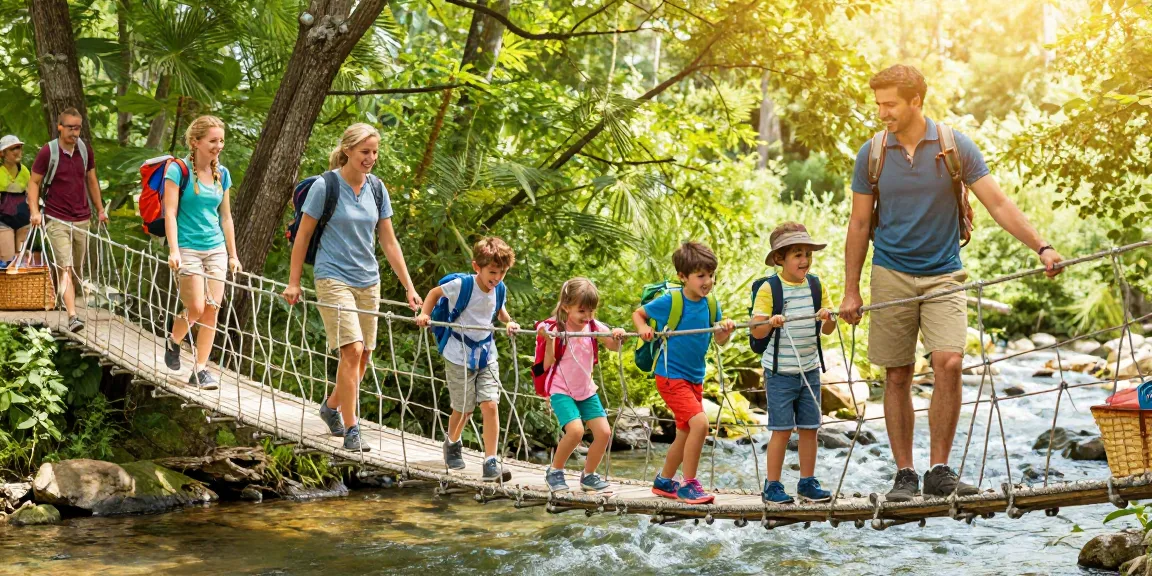
- Adventure Camps: Frequently set in outdoor environments, these camps focus on activities like hiking, rock climbing, and other adventurous pursuits.
- Traditional Camps: Offer a mix of activities, ranging from crafts to sports, providing a well-rounded experience.
Benefits of Attending Holiday Camps
Attending holiday camps yields numerous benefits, such as:
- Social Skills Development: Camps encourage teamwork, communication, and relationship-building, essential for social growth.
- Enhanced Learning: By engaging in activities outside the standard curriculum, children can explore new interests and skills.
- Increased Confidence: Successfully participating in various activities boosts self-esteem and independence.
- Physical Health: Encouraging active play, camps promote physical fitness and overall well-being.
Choosing the Right Holiday Camps
Factors to Consider When Selecting Camps
When selecting a holiday camp for your child, consider the following factors:
- Child's Interests: Align the camp's activities with your child's hobbies or passions for a fulfilling experience.
- Location: Proximity to home can influence convenience and safety.
- Reputation: Research camps with positive feedback from families and consider recommendations.
- Cost: Determine your budget, keeping in mind that quality camps may charge a premium.
Age-Appropriate Activities and Themes
Ensure that the camp offers age-appropriate activities and tailored themes to engage your child properly. Younger children may thrive in camps with a play-based approach, while older youths may prefer camps that offer specialized skills or leadership training. Always review the camp's schedule to make sure it aligns with your child's developmental stage.
Location and Accessibility of Camps
Accessibility is crucial when selecting a holiday camp. Consider factors such as transportation, drop-off/pick-up times, and the camp's general environment. Camps located in safe, engaging environments can greatly enhance your child's experience. Look for camps that offer easy access to activities and amenities.
Planning for Holiday Camps
What to Pack for Holiday Camps
Proper packing can ensure a smoother camp experience. Here's a checklist of essentials to consider:
- Comfortable Clothing: Include layered options that are suitable for both indoor and outdoor activities.
- Sun Protection: Sunscreen, hats, and sunglasses to protect against sun exposure.
- Personal Items: Toiletries, a water bottle, and any specific medications.
- Activity-Specific Gear: Depending on the camp's focus, this might include sports equipment or art supplies.
Preparing Kids for Camp Experiences
Help your child transition into camp life by discussing what to expect. Simulate scenarios at home where your child practices sharing, exploring new activities, and cooperating with peers. Encourage them to voice their feelings about attending camp, whether excitement or anxiety, to help them feel more prepared.
Covid-19 Safety Measures at Camps
In today's world, it's essential to consider health protocols. Research the camp's Covid-19 policies, which should include measures like social distancing, mask-wearing, and sanitization practices. Understanding these practices can significantly reassure both parents and campers about safety during their holiday camp experience.
Holiday Camps: Cost and Affordability
Typical Costs of Holiday Camps
The cost of holiday camps can vary widely based on location, type of camp, and duration. Typical fees for day camps may range from $50 to $500 per week, while specialized or overnight camps often cost more. It's essential to evaluate what is included in the price, such as meals, transportation, and activity fees.
Finding Financial Aid or Discounts
Many camps offer financial assistance or scholarships for families in need. Start your search early and inquire about available aid. Additionally, look for camps that provide sibling discounts or early bird rates to help ease the financial burden.
Managing Camp Budgets Effectively
Establish a budget that factors in camp fees, miscellaneous expenses (like transportation and supplies), and any potential lost income if you're adjusting work hours. You can set aside a dedicated amount each month leading up to the camp season, making it easier to pay when the time comes.
Common Questions About Holiday Camps
What Should Kids Expect at Holiday Camps?
Kids can expect a variety of activities ranging from arts and crafts to sports and games, all within a supervised and friendly environment. They'll also have the chance to make new friends and learn valuable life skills.
How Are Holiday Camps Different from Summer Camps?
Holiday camps generally take place during shorter breaks throughout the year, while summer camps often run for more extended periods, usually over several weeks. Summer camps may also provide a more immersive experience with a wider range of activities.
How to Choose a Camp for Special Needs?
When selecting a camp for children with special needs, prioritize camps that explicitly mention inclusivity policies. Assess staff training in special needs support and the camp's ability to provide tailored activities that meet your child's unique requirements.
FAQs
How can kids benefit from holiday camps?
Kids benefit from holiday camps by developing social skills, enhancing confidence, and exploring new interests in fun and engaging environments.
Are holiday camps safe for children?
Yes, holiday camps prioritize safety by implementing trained staff, child supervision, and health guidelines, ensuring a secure environment.
What activities are typically offered in holiday camps?
Common activities include sports, arts and crafts, science experiments, outdoor adventures, and team-building exercises, catering to diverse interests.
What should parents look for in holiday camps?
Parents should look for camps with positive reviews, safety protocols, qualified staff, and a variety of engaging activities that suit their child's interests.
Can holiday camps accommodate dietary restrictions?
Many camps can accommodate dietary restrictions; it’s essential to communicate specific needs during the registration process to ensure proper meal arrangements.
In conclusion, finding the right holiday camps can significantly enhance children's social skills, independence, and overall enjoyment during their school breaks. Each type of camp offers unique experiences that cater to different interests, making it important for parents to research and choose wisely based on their children's needs.
For more information on various options and comprehensive listings of Holiday camps, exploring resources can help streamline the decision-making process.