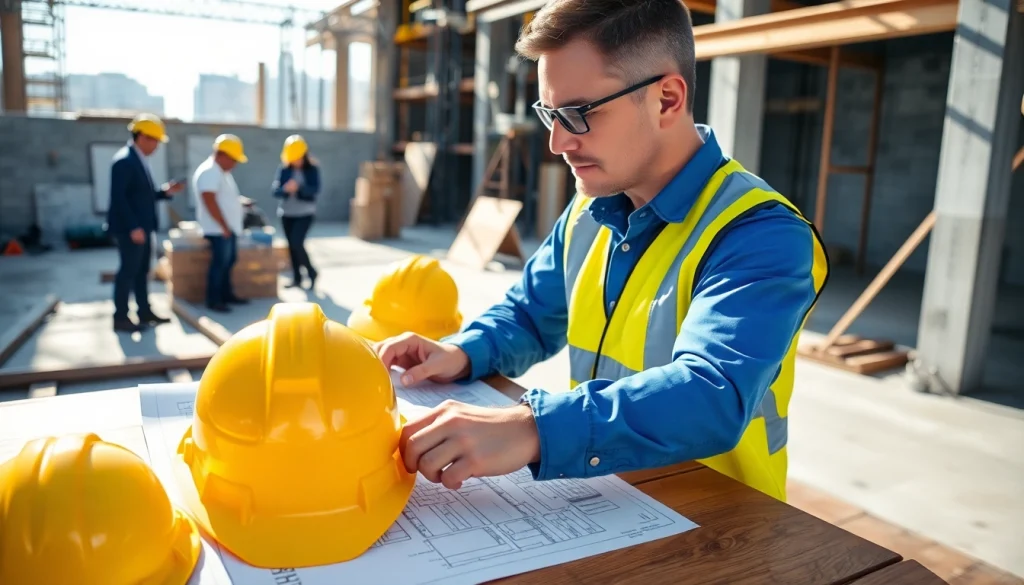
Understanding the Manhattan Construction Manager’s Role
The position of a Manhattan Construction Manager is pivotal in the bustling construction landscape of New York City. They are responsible for overseeing and managing construction projects from inception to completion. Not only do they act as the primary point of contact for clients and contractors, but they also ensure that projects adhere to timelines, budgets, and safety regulations. A thorough understanding of the Manhattan building protocols, local regulations, and intricate project requirements is vital for achieving success. The role demands expertise, adaptability, and excellent communication skills, especially in a complex urban environment like Manhattan, where space and resources are at a premium. For those looking to delve deeper into the intricacies of this profession, a Manhattan Construction Manager serves as a critical resource.
Key Responsibilities of a Manhattan Construction Manager
At the forefront of any construction project is the Manhattan Construction Manager, whose responsibilities encompass a broad spectrum. Some of the key duties include:
- Managing budgets and schedules: From drafting initial budgets to adjusting costs as needed, the construction manager has financial oversight throughout the project lifecycle.
- Coordinating subcontractors: They liaise between various subcontractors to ensure seamless collaboration and that all aspects of the project are functioning in unison.
- Ensuring compliance: The construction manager must ensure that all work complies with local building codes, safety regulations, and environmental standards.
- Client interaction: Regular communication with clients to provide updates, discuss concerns, and manage expectations is crucial for project satisfaction.
- Risk management: This includes identifying potential risks during the planning phase and developing strategies to mitigate them.
Essential Skills and Qualifications
A successful Manhattan Construction Manager possesses a unique blend of skills and qualifications. These include:
- Educational Background: A degree in construction management, civil engineering, or architecture is often required.
- Experience: Proficiency typically comes from a combination of educational background and hands-on experience in the construction industry.
- Communication Skills: The ability to clearly convey ideas and instructions is essential for managing teams and client relations.
- Problem-solving Abilities: Construction projects often face unexpected challenges, and quick, innovative thinking is a must.
- Attention to Detail: From blueprints to budgets, every aspect must be meticulously checked to avoid costly errors.
The Importance of Communication in Construction Management
In construction management, effective communication is not merely beneficial but vital. The Manhattan Construction Manager must be adept at conveying project goals, timelines, and changes to various stakeholders, including clients, subcontractors, and authoritative entities. Clarity in communication helps prevent misunderstandings that can lead to project delays and budget overruns. Additionally, active listening allows managers to address the concerns of contractors and clients swiftly, fostering a collaborative atmosphere that can enhance project quality and efficiency.
Key Challenges Faced by Manhattan Construction Managers
Managing Project Budgets and Timelines
Budget constraints and tight timelines represent two of the most significant challenges faced by construction managers. Projects in Manhattan often experience increased costs due to limited space, labor shortages, and fluctuating material prices. The need to keep a project on schedule while effectively managing these costs can be daunting. Implementing robust project management software can assist in tracking expenses and timelines, providing real-time data to make informed decisions and adjustments as necessary.
Coordinating Multiple Contractors and Subcontractors
Managing a multitude of contractors and subcontractors can create logistical challenges, especially in a crowded urban environment. Each contractor may have different work schedules, priorities, and communication styles. The Manhattan Construction Manager must ensure that all parties remain aligned on project goals. This can be achieved through regular meetings and employing centralized communication platforms to share updates and changes efficiently.
Adapting to Regulatory Changes in Manhattan
Construction regulations in Manhattan can be complex and frequently updated. Staying informed about these changes is crucial for compliance and to avoid potential legal issues. The Manhattan Construction Manager must have a thorough understanding of local laws and codes, and be prepared to adapt project plans accordingly. Continuous education and training can help construction managers remain abreast of evolving regulations.
Best Practices for Successful Construction Management
Effective Project Planning Strategies
The cornerstone of successful project management lies in the planning phase. Effective project planning strategies include developing a detailed project schedule, establishing clear milestones, and setting realistic deadlines. Leveraging project management methodologies like Agile or Lean Construction can increase flexibility and responsiveness, allowing for quick adjustments amid project changes. Involving key stakeholders in the planning phase can also enhance buy-in and ensure that all perspectives are considered.
Utilizing Technology in Construction Management
Technology is transforming the construction industry, and savvy Manhattan Construction Managers are using it to increase efficiency and effectiveness. Building Information Modeling (BIM), for instance, allows real-time collaboration among stakeholders, improving visibility and coordination. Project management software can streamline workflows, while tools like drones and 3D printing are revolutionizing on-site inspections and actual construction processes. By embracing technology, construction managers can gain a competitive edge and enhance project outcomes.
Building Strong Relationships with Stakeholders
Constructing robust relationships with clients, contractors, and other stakeholders is instrumental in achieving project success. Regular communication, transparency, and honesty foster trust and collaboration, which can alleviate conflicts and misunderstandings later in the project cycle. Hosting stakeholder workshops and maintaining open lines of communication can help build these essential relationships. Additionally, celebrating project milestones together reinforces teamwork and shared goals.
Innovations Impacting Manhattan Construction Management
Emerging Technologies in the Industry
As the construction industry evolves, new technologies are emerging that impact how projects are managed. Innovations like Artificial Intelligence (AI) for predictive analytics, enhanced safety management through cloud-based applications, and virtual reality for client presentations are all playing critical roles. These technologies not only improve efficiency but also contribute to safer working environments and more robust project outcomes.
Green Building Practices
With growing awareness of environmental issues, green building practices have gained prominence. Incorporating sustainable materials, energy-efficient systems, and waste reduction strategies into construction practices can significantly reduce a project’s ecological footprint, benefitting both the environment and the community. Manhattan Construction Managers are increasingly expected to lead projects that align with sustainability goals, requiring knowledge of eco-friendly materials and local green building regulations.
The Future of Construction Management
The future of construction management in Manhattan will likely be shaped by continued technological advancements and an increasing focus on sustainability. Construction managers must be adaptable and ready to incorporate innovations that enhance project efficiency and promote sustainability. Furthermore, as the city continues to grow, demands for skilled construction managers will rise, emphasizing the importance of ongoing education and professional development to remain competitive in a rapidly changing industry.
Case Studies of Successful Manhattan Construction Management
Analyzing Innovative Project Approaches
Examining case studies of successfully managed construction projects in Manhattan can provide valuable insights into effective practices. Projects that embraced collaborative design processes, for example, showcased how interdisciplinary teams could overcome challenges associated with complex urban sites and aggressive timelines. Each project served as a learning opportunity, demonstrating how adaptability and innovation can lead to outstanding results.
Lessons Learned from Past Projects
Reflection is a crucial aspect of growth in construction management. By analyzing past projects, Manhattan Construction Managers can identify key lessons learned that inform future practices. Issues such as communication breakdowns, budget overruns, and safety hazards must be critically evaluated to implement strategies that mitigate these challenges in future endeavors. Regularly conducting post-project evaluations fosters a culture of continuous improvement in construction management practices.
Impact on Community and Infrastructure Development
Construction projects have far-reaching implications on communities and local infrastructure. A well-managed project can invigorate a neighborhood, enhance local economy, and improve public services. Manhattan Construction Managers must consider the broader impact of their projects, engaging with community stakeholders to assess needs and communicate how projects will benefit them. This community-focused approach not only boosts project acceptance but also helps ensure a positive legacy for future generations.