Understanding the Role of a Manhattan Commercial General Contractor
A Manhattan Commercial General Contractor plays a pivotal role in the construction and renovation of commercial buildings in one of the most dynamic real estate markets. This professional oversees various aspects of construction, ensuring that projects are completed on time, within budget, and with the required quality standards. Understanding the multifaceted responsibilities of these contractors can help stakeholders navigate the complexities of commercial construction effectively.
Key Responsibilities and Skills
The responsibilities of a commercial general contractor extend from project initiation to completion. They are responsible for:
- Project Planning: Collaborating with the owner and architects to develop a project plan that includes timelines, budgets, and resource allocation.
- Obtaining Permits: Navigating the complex regulatory landscape in Manhattan to secure necessary permits and licenses.
- Managing Subcontractors: Hiring and overseeing subcontractors, ensuring that all work aligns with the project’s quality and timeline.
- Budget Management: Monitoring project expenses, ensuring adherence to budgetary constraints, and notifying stakeholders of potential overruns.
- Quality Control: Implementing quality assurance protocols to maintain the standards set forth in the project specifications.
To fulfill these responsibilities, effective commercial general contractors must possess a blend of technical knowledge, strong communication skills, and a problem-solving mindset. Experience in project management, familiarity with construction technology, and financial acumen are also key components of their skill set.
The Importance of Licensing and Insurance
Licensing is crucial for any general contractor. In Manhattan, contractors must hold a valid license issued by the New York City Department of Buildings. This license ensures that the contractor meets specific professional standards and is knowledgeable about local building codes and regulations. Additionally, contractors should carry comprehensive insurance, including general liability and worker’s compensation insurance, protecting clients and workers in the event of accidents or damages on-site. This not only provides peace of mind to clients but also enhances the contractor’s credibility within the industry.
How Contractors Collaborate with Architects and Owners
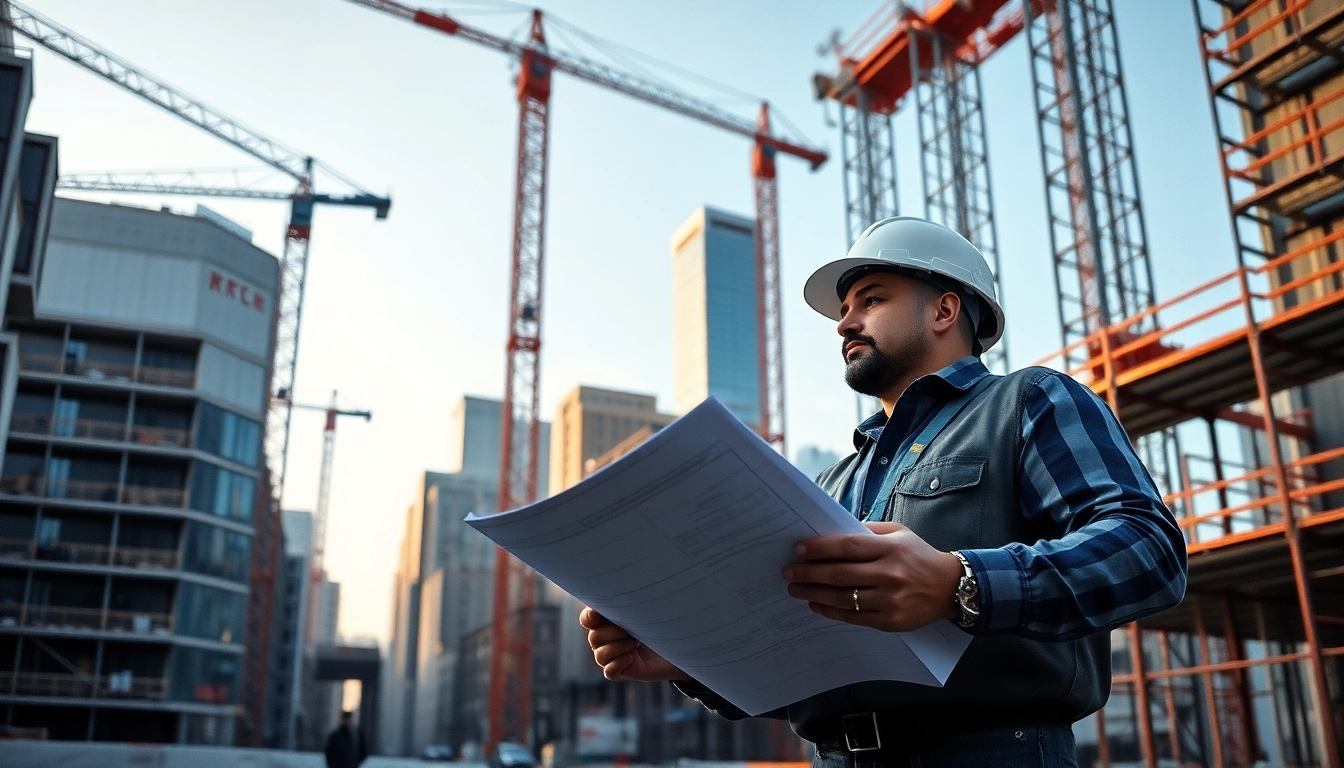
Collaboration among architects, contractors, and owners is vital for the success of any commercial project. At the onset, contractors work closely with architects to review blueprints, discuss constructability, and address potential challenges. This early alignment helps to minimize costly changes during construction. Additionally, maintaining ongoing communication with the owner throughout the project ensures that their vision is realized and any concerns are promptly addressed.
Choosing the Right Manhattan Commercial General Contractor
Selecting the right contractor can significantly influence the success of a project. It is essential to approach the hiring process with diligence and a clear set of evaluation criteria.
Evaluating Credentials and Experience
When assessing potential commercial general contractors, reviewing their credentials is paramount. Look for contractors who possess relevant experience in managing projects similar to yours in terms of size, complexity, and scope. Additionally, verify their qualifications, professional affiliations, and any specialized training in areas such as sustainability or safety.
Assessing Project Portfolio and References
Examine a contractor’s project portfolio to gauge their expertise and aesthetic sensibilities. Look for completed projects that reflect the quality and style you desire for your commercial space. Furthermore, obtaining references from former clients can provide insight into their work ethic, reliability, and ability to meet deadlines. Ask specific questions about the contractor’s communication and problem-solving abilities during the project.
Interview Questions to Ask Potential Contractors
Conducting interviews with potential contractors can reveal much about their suitability for your project. Some useful questions include:
- What is your approach to project management and communication with clients?
- How do you handle unexpected changes during construction?
- Can you provide a detailed proposal outlining costs, timelines, and milestones?
- What safety measures do you implement on the job site?
- Are you familiar with local zoning laws and regulations?
These questions can help you understand how the contractor operates and whether their approach aligns with your expectations.
Project Management Techniques for Successful Construction
Effective project management is indispensable for the execution of any construction project. Utilizing best practices can lead to enhanced efficiency and successful outcomes.
Effective Communication among Stakeholders
Establishing effective communication channels among all stakeholders—owners, contractors, subcontractors, and architects—fosters collaboration and transparency. Regular meetings and updates, coupled with project management software, can help keep all parties informed about progress, changes, and challenges. This solid communication foundation minimizes misunderstandings and keeps the project on track.
Using Technology for Project Tracking
Technology increasingly plays a role in improving project management capabilities. Utilizing tools like Building Information Modeling (BIM), project tracking software, and mobile applications can enable real-time monitoring of project timelines, budgets, and resources. By leveraging technology, contractors can enhance operational efficiency and improve decision-making processes.
Creating Realistic Timelines and Budgets
Creating accurate project timelines and budgets starts with thorough pre-project planning. Contractors need to consult with all stakeholders to assess potential challenges and set realistic expectations. Regular monitoring and adjustment of timelines and budgets throughout the construction phase are crucial to account for unforeseen issues that may arise, ensuring project objectives remain achievable.
Best Practices for Managing Construction Risks
Construction inherently involves risks, ranging from project delays to safety issues. Implementing best practices for risk management can mitigate these challenges effectively.
Identifying Potential Risks on the Job Site
The first step in managing risks is identifying potential hazards on the job site. This can include risks associated with equipment usage, weather conditions, and material handling. By conducting a comprehensive risk assessment before construction begins, contractors can develop strategies to eliminate or reduce these risks during the project.
Implementing Safety Protocols and Training
Safety should be a top priority for all construction projects. Implementing rigorous safety protocols and providing regular training for all employees can significantly reduce the likelihood of accidents. This includes proper use of equipment, understanding safety regulations, and conducting safety drills. Overall, fostering a safety-focused culture contributes to a smoother operation and protects everyone involved.
Managing Delays and Unexpected Costs
Delays and unexpected costs can derail a project. Preparing for these potential setbacks through contingency planning is essential. This involves setting aside a portion of the budget for unforeseen expenses and maintaining effective communication with stakeholders to address any arising issues promptly. By staying adaptable and responsive, contractors can navigate challenges without jeopardizing project completion.
The Future of General Contracting in Manhattan
The construction industry is in a state of flux, driven by technological advancements and changing societal expectations. Understanding these dynamics can help contractors prepare for a successful future.
Adapting to Technological Innovations
The future of general contracting will likely be shaped by innovations such as virtual reality, augmented reality, 3D printing, and artificial intelligence. These technologies offer improved design capabilities, enhanced safety training, and streamlined project monitoring processes. Embracing and effectively integrating these innovations will be crucial for contractors aiming to stay competitive in Manhattan’s rapid commercial development environment.
Sustainable Construction Practices
Sustainability is becoming a key consideration in construction projects. The rise in eco-conscious consumers and regulatory pressures are pushing contractors towards adopting green building practices. This includes using sustainable materials, implementing energy-efficient technologies, and minimizing waste throughout the construction process. Contractors who embrace sustainability will not only meet market demands but can also realize significant cost savings through energy efficiency and reduced material costs.
Trends Shaping Urban Development in Manhattan
Urban development in Manhattan is influenced by various trends, including mixed-use developments, the demand for collaborative workspaces, and increased focus on community wellness. Understanding these trends allows contractors to align their services with market needs, maximizing their project’s potential impact and success. Keeping an eye on prospective zoning changes and infrastructural developments can provide insight into where the demand for new commercial spaces will lie.
Frequently Asked Questions
What is a commercial general contractor?
A commercial general contractor is responsible for overseeing construction projects in commercial settings, managing everything from planning to completion, including budget management and subcontractor oversight.
How do I choose the right contractor?
Select the right contractor by evaluating credentials, checking references, reviewing past projects, and asking relevant interview questions to gauge their fit for your project.
What factors influence construction costs?
Factors influencing construction costs include project complexity, materials used, labor rates, location, and any unforeseen conditions that may arise during construction.
Why is communication important in construction?
Open communication among stakeholders is crucial in construction to minimize misunderstandings, keep projects on track, and address issues promptly as they arise.
What are common risks in construction projects?
Common risks in construction include project delays, safety hazards, design changes, cost overruns, and unforeseen environmental conditions affecting site conditions.