
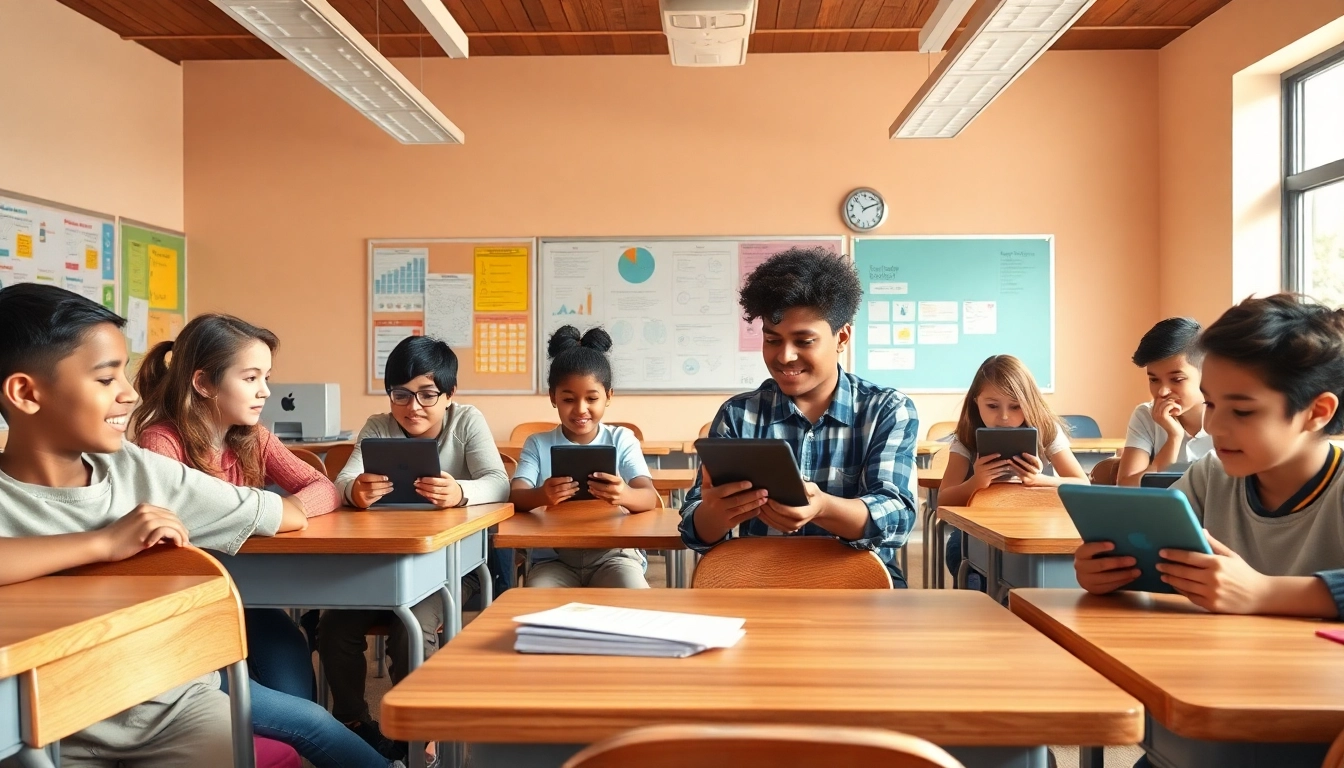
Understanding the Core Principles of Education
Education is often viewed as the cornerstone of a progressive society, encompassing a wide range of concepts, systems, and practices. As individuals navigate through various educational landscapes, understanding the fundamental principles of education becomes crucial. The significance of Education stretches beyond mere academic requirements; it fosters critical thinking, enhances social cohesion, and drives economic development.
Definition and Importance of Education
At its core, education can be defined as the systematic process through which knowledge, skills, values, and attitudes are acquired. It occurs through various forms, including formal education in institutions, informal learning in everyday life, and non-formal education in community settings. Education is paramount in equipping individuals with the competencies necessary to thrive socially and economically. It not only facilitates personal growth and development but also plays a pivotal role in fighting poverty, reducing inequality, and enabling social mobility.
The Role of Education in Society
Education functions as a societal pillar, influencing multiple facets of life. It cultivates informed citizens who can engage in democratic processes, promoting civic participation and social responsibility. Moreover, through education, societies can transmit cultural values, norms, and traditions, thus preserving heritage while simultaneously instilling a sense of identity. Education also drives innovation and research, which are essential for technological advancement and societal progress.
Types of Educational Systems
Globally, educational systems vary significantly depending on cultural, economic, and political contexts. The major educational frameworks include:
- Formal Education: Structured learning that takes place in institutions like schools and universities, culminating in recognized certifications and degrees.
- Informal Education: Unstructured learning that occurs outside formal settings, such as lessons learned through life experiences and family teachings.
- Non-formal Education: Organized learning that takes place in settings outside formal education institutions, like community programs and workshops.
Innovative Methods in Contemporary Education
As educational demands evolve, innovative methods have emerged to enhance learning experiences. These approaches not only aim to improve academic performance but also promote engagement, creativity, and critical thinking among students.
Integrating Technology in Education
Technology has irrevocably transformed the educational landscape. From interactive Whiteboards to online learning platforms, the incorporation of technology into education enables diverse and personalized learning experiences. Emerging technologies such as artificial intelligence and virtual reality are paving the way for immersive learning environments where students can explore subjects in depth, thereby enhancing understanding and retention.
Project-Based Learning Approaches
Project-Based Learning (PBL) emphasizes student engagement through hands-on projects that stimulate inquiry and problem-solving. In PBL, students work collaboratively to investigate real-world challenges, developing critical skills such as teamwork, research, and communication. This method not only motivates learners but also helps them apply academic knowledge in practical settings.
Collaborative Learning Environments
Collaboration in learning has shown remarkable benefits on students’ academic growth and social skills. In collaborative environments, students learn from one another, share diverse perspectives, and engage in constructive dialogues. Such settings create a supportive atmosphere, enhancing both individual and collective achievements.
Challenges Faced in Education Today
Despite the advancements in educational practices, several challenges persist that hinder the effectiveness of learning systems worldwide.
Addressing Inequality in Education
Inequality in education manifests in various forms, including disparities in access, quality, and resources. Some students may find themselves in underfunded institutions with inadequate support, affecting their learning opportunities. Others may lack access to essential resources like technology and teaching materials. Addressing these inequalities requires concerted efforts from policymakers, educators, and communities to ensure equitable educational opportunities for all.
Engaging Students in a Digital Age
The proliferation of digital distractions poses a significant challenge to student engagement. With the constant availability of entertainment and social media, keeping students focused on their studies can be difficult. Educators are thus tasked with creating engaging curricula that resonate with students’ interests while leveraging technology to foster a more meaningful learning experience.
Adapting to Changing Educational Policies
Educators and institutions must continually adapt to shifting educational policies and standards that govern curricula, assessment, and teaching methodologies. Frequent changes can create confusion and instability within educational environments. Continuous professional development for teachers and open lines of communication between stakeholders are necessary to navigate these transitions effectively.
Measuring Success in Education
Assessing the effectiveness of educational programs is essential for ensuring continuous improvement and accountability. A multifaceted approach to measuring success can provide a clearer picture of educational outcomes.
Key Performance Indicators
Key Performance Indicators (KPIs) in education include metrics such as student attendance rates, graduation rates, test scores, and post-secondary outcomes. Collectively, these indicators help to evaluate the effectiveness of educational strategies and inform decision-making processes for educators and administrators.
Feedback Mechanisms for Student Progress
Regular feedback is critical to student success. Implementing assessment tools such as formative assessments, peer reviews, and self-assessments fosters an environment where students can reflect on their learning, receive constructive criticism, and make necessary adjustments. This nurtures a growth mindset and encourages students to take charge of their own academic journey.
Importance of Evaluations and Assessments
Evaluations and assessments play a key role in both teaching and learning. They provide valuable data that can guide instruction and interventions needed for academic achievement. Incorporating diverse assessment methods—such as project assessments, standardized tests, and portfolios—can provide a comprehensive understanding of student performance and areas for improvement.
Future Trends in Education
The education sector is continually evolving, driven by technological advancements and societal changes. Recognizing emerging trends can prepare educators and learners alike for the future.
The Impact of Artificial Intelligence on Learning
Artificial Intelligence (AI) holds transformative potential for the education sector. From personalized learning pathways to automating administrative tasks, AI can facilitate a more adaptable learning experience. AI-driven tools can adequately assess students’ strengths and weaknesses, allowing tailored support that accommodates individual learning styles.
Global Education Initiatives
International organizations and governments are increasingly committing to global education initiatives to address disparities and improve educational quality worldwide. These initiatives often include partnerships aimed at increasing access to education, promoting sustainable practices, and enhancing teacher training through global collaboration.
Preparing for the Future Workforce
The ever-changing job market necessitates educational frameworks that prepare students for new types of employment opportunities. Emphasizing skills such as digital literacy, critical thinking, and adaptability becomes essential. Educational institutions must forge strong connections with industries to align curricula with workforce demands, ensuring that students are job-ready upon graduation.