Understanding the Importance of British Pond Plants
British pond plants play a crucial role in the health and aesthetic appeal of aquatic ecosystems. Whether you are a gardener looking to enhance your outdoor space or a conservationist aiming to support local wildlife, understanding these aquatic flora is essential. These plants not only beautify ponds and water features but also contribute significantly to the ecological balance of local environments. When exploring options, British Pond Plants provide comprehensive insights into the ideal species for your needs.
What Are British Pond Plants?
British pond plants are native species that thrive in the watery habitats characteristic of the United Kingdom. They are an integral part of aquatic systems and can be broadly categorized into three main groups: submerged, emergent, and floating plants. Each category plays a unique role in supporting pond ecosystems, offering shelter, breeding grounds, and food sources for diverse aquatic life.
The Role of Aquatic Flora in Ecosystems
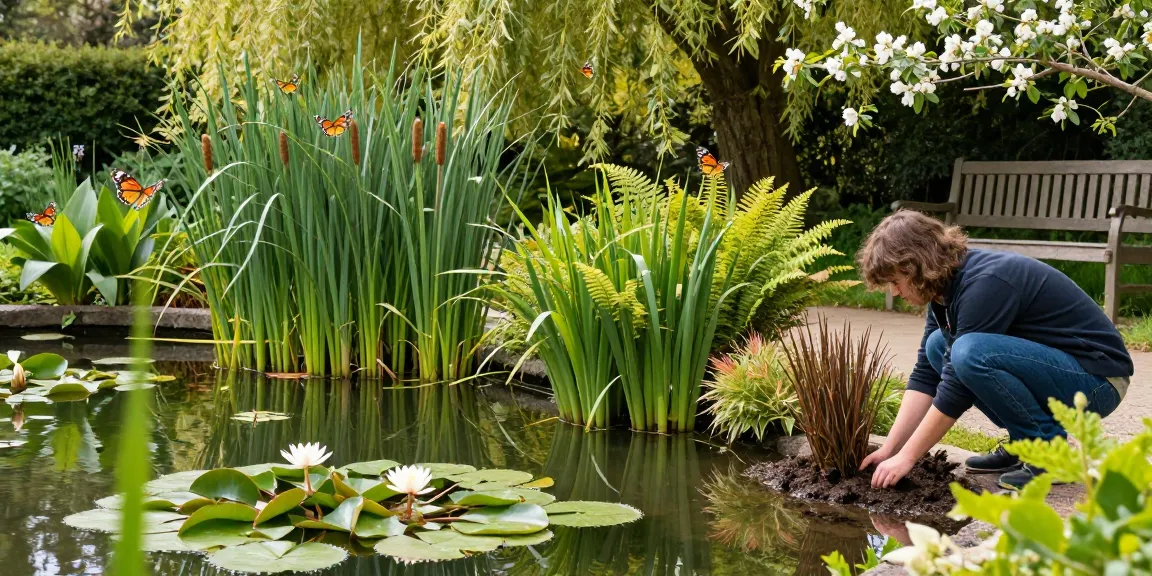
Aquatic plants serve multiple ecological functions, including oxygen production, nutrient cycling, and habitat provision. Submerged plants, such as hornwort and elodea, produce oxygen through photosynthesis, which is vital for the survival of fish and other aquatic organisms. Meanwhile, emergent plants like reeds and bulrushes stabilize the banks, preventing erosion, and provide habitat for breeding birds and insects. Floating plants, such as water lilies, offer shade and help regulate water temperature, creating a balanced environment for various species.
Benefits of British Pond Plants in Gardening
Incorporating British pond plants into your garden can enhance both the visual and ecological aspects of your outdoor space. These plants attract pollinators, support wildlife, and improve water quality by filtering pollutants. Moreover, they can help to create a serene atmosphere, transforming a simple garden into a thriving ecosystem. Understanding the specific benefits of each plant can help you select the right species for your needs.
Choosing the Right British Pond Plants for Your Pond
Selecting the appropriate plants for your pond involves considering various factors such as water depth, sunlight exposure, and the desired aesthetic. Understanding these parameters will allow you to create a thriving habitat that complements your garden’s overall design while fostering biodiversity.
Types of British Pond Plants: Submerged vs. Floating
When it comes to choosing pond plants, it’s crucial to understand the difference between submerged and floating plants. Submerged plants are rooted at the bottom of the pond and can grow entirely underwater. Examples include *Myriophyllum spicatum* (Eurasian Watermilfoil) and *Zannichellia palustris* (Horned Pondweed), which provide excellent habitats for fish fry and help maintain water clarity. In contrast, floating plants like *Nymphaea* (Water Lilies) and *Lemna minor* (Common Duckweed) float on the surface and can help shade the water, reducing algae growth. Both types play vital roles in maintaining a healthy pond ecosystem.
Climate Considerations for Plant Selection
The British climate varies significantly, affecting plant selection. For instance, if you live in a coastal area, you might need to consider salt-tolerant species. Understanding the specific environmental conditions of your pond, including temperature and rainfall patterns, will guide you toward the best plant choices for your region. Additionally, always check the hardiness zones of plants to ensure they can survive winter conditions.
Common Mistakes When Selecting Pond Flora
Many gardeners make mistakes when choosing pond plants, such as selecting non-native species that may not thrive or can even disrupt local ecosystems. Other common errors include overcrowding the pond with too many plants, which can lead to competition for resources and reduced water quality. It’s essential to research and select a variety of plants that complement each other and the existing environment.
Planting and Maintaining British Pond Plants
Once you’ve selected your plants, proper planting and maintenance are crucial for their success. Healthy plants contribute to the overall vitality of your pond, ensuring an ecosystem that supports wildlife and enhances your garden’s beauty.
Best Practices for Planting Aquatic Plants
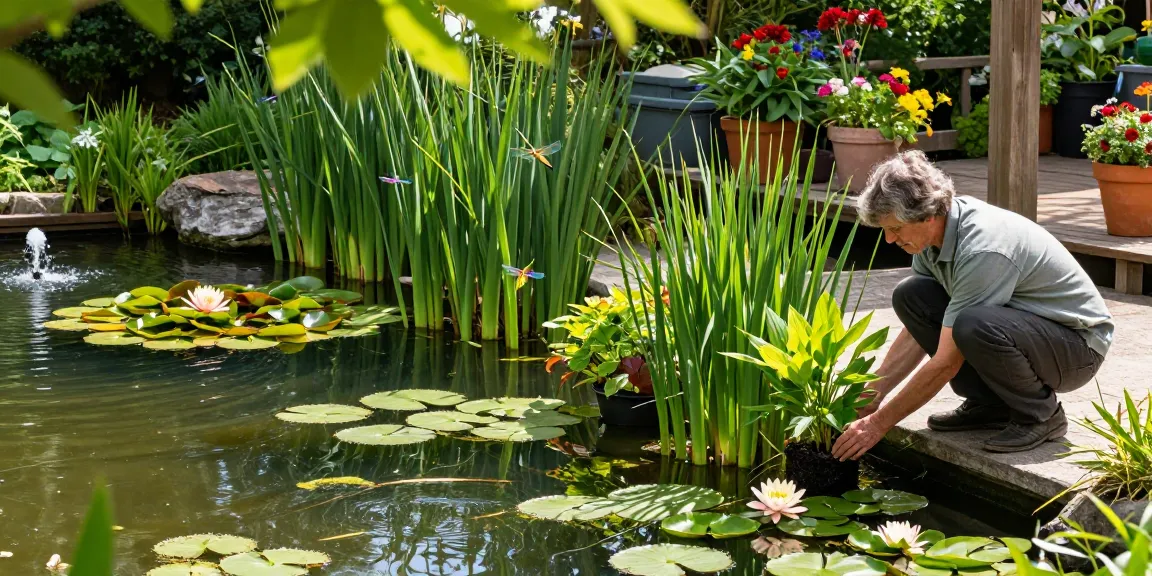
To successfully plant aquatic flora, begin by preparing the pond bed with the right substrate. A mixture of sand and loamy soil can provide a nutrient-rich environment. When planting, be sure to place submerged plants in deeper areas, while emergent species should be positioned in shallower zones where their roots can anchor securely. Ideally, plants should be planted in groups to create a natural look and encourage wildlife habitation.
Maintenance Tips for a Healthy Pond Ecosystem
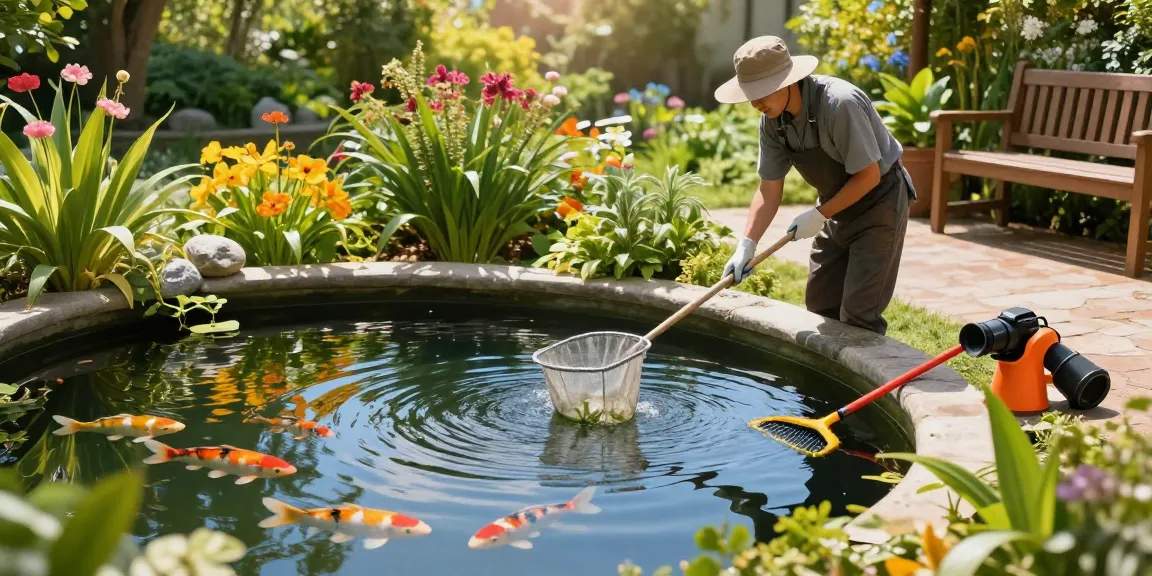
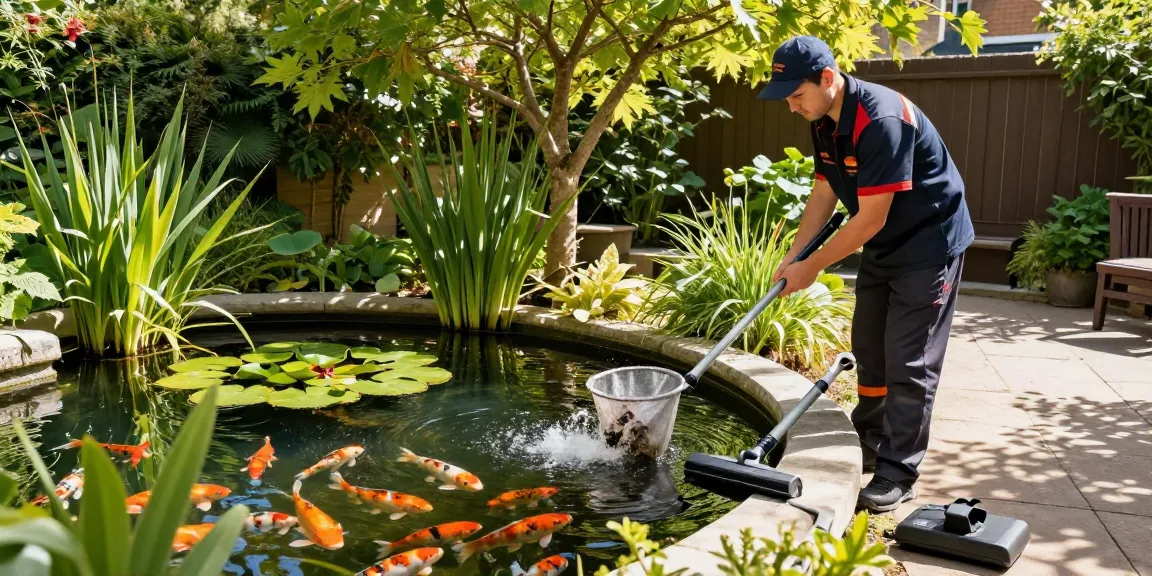
Regular maintenance is crucial for sustaining a healthy pond ecosystem. This includes monitoring water quality, inspecting for invasive species, and ensuring that plants are not overgrowing. Water testing for pH, nitrates, and phosphates will help you maintain optimal conditions for plant growth. Implementing a routine cleaning schedule will help keep the pond free from debris and excess algae, while timely pruning of plants can promote healthy growth.
Dealing with Pests and Diseases in Pond Plants
Pond plants can be susceptible to various pests and diseases. Common pests include aphids and water beetles, which can damage plant leaves. Maintaining biodiversity and utilizing organic pest control methods, such as introducing beneficial insects, can help manage these threats. Additionally, regular inspection of your plants will allow you to catch diseases early, ensuring prompt treatment and minimizing damage.
Enhancing Your Garden with British Pond Plants
Integrating British pond plants into your garden design can elevate its aesthetic appeal while promoting wildlife diversity. Thoughtfully chosen plants can transform your outdoor space, making it a sanctuary for both you and local creatures.
Design Ideas for Integrating Pond Plants
When designing your garden, consider creating a tiered planting scheme, where taller emergent plants are placed at the back and shorter floating species in the front. This not only creates a visually pleasing arrangement but also enhances accessibility for wildlife. Incorporating decorative elements, such as stones or driftwood, can further enhance the natural look.
Creating Natural Habitats for Wildlife
British pond plants provide essential habitats for various species, including frogs, newts, and a wide range of insects. To encourage wildlife, consider leaving some areas of your pond undisturbed and introducing debris piles or submerged logs where animals can hide and breed. This mimics natural environments and helps sustain local biodiversity.
Seasonal Changes: What to Expect from Your Pond Plants
As seasons change, so too do the needs and appearances of your pond plants. In spring, many species will begin to grow rapidly, so regular maintenance is key to managing their growth. During summer, expect an abundance of flowers and wildlife activity. By autumn, plants will begin to die back, preparing for winter. Understanding these seasonal cycles will help you plan for planting and maintenance throughout the year.
Future Trends in Aquatic Gardening for 2026
The future of aquatic gardening continues to evolve, with new technologies and sustainability practices emerging to enhance the cultivation of British pond plants.
Innovative Techniques for Sustainable Gardening
As we move toward more sustainable gardening practices, innovations such as aquaponics and bio-filtration systems are gaining popularity. These methods can help gardeners maximize space and resources while promoting a healthier pond ecosystem. Furthermore, the use of native plant species is encouraged to reduce maintenance and enhance resilience against diseases and pests.
Emerging British Pond Plant Varieties to Watch
With ongoing research and cultivation efforts, several new British pond plant varieties are gaining attention. These include hybrids that offer improved disease resistance and enhanced beauty. Keep an eye on developments in plant breeding that may yield unique options for enhancing both home gardens and natural habitats.
Predictions for Pond Gardening and Environmental Impact
As awareness of environmental issues continues to grow, the role of pond gardening in conservation will become increasingly significant. Initiatives encouraging the use of native flora and sustainable gardening practices will likely lead to more robust ecosystems and healthier waterways. Gardeners are positioned to play an essential part in this movement, leveraging their ponds as vital refuges for local biodiversity.
What are the best British pond plants for wildlife?
Some of the best British pond plants for wildlife include *Carex riparia* (Greater Pond Sedge), which provides nesting sites for birds, and *Alisma plantago-aquatica* (Water Plantain), which attracts various insects. These plants not only enhance the visual appeal of your pond but also create essential habitats for local wildlife.
How do I maintain a healthy pond ecosystem?
Maintaining a healthy pond ecosystem revolves around regular monitoring of water quality, controlling algae growth, and encouraging biodiversity. Implementing natural filtration methods and avoiding the use of chemicals will contribute to a balanced ecosystem that supports both flora and fauna.
Can I use British pond plants in containers?
Yes, many British pond plants can thrive in containers. When choosing container plants, ensure that the pots have drainage holes and use aquatic potting soil. This method allows you to create beautiful water features even in smaller spaces, enhancing the aesthetic value of balconies or patios.
What are common diseases affecting pond plants?
Pond plants may be susceptible to a variety of diseases, including root rot and fungal infections. Regular inspection and prompt treatment with organic fungicides can help mitigate these issues. Planting healthy specimens and ensuring proper spacing can also reduce the likelihood of disease spread.
How do I choose plants based on pond depth?
When selecting pond plants, consider their growth requirements related to water depth. Submerged plants typically prefer deeper water, while emergent plants thrive in shallow areas. Assess the depth of your pond’s zones and select species accordingly to create a balanced aquatic ecosystem.