Understanding British Pond Plants
Pond gardening is a rewarding endeavor that brings both beauty and biodiversity to your outdoor space. Within the realm of pond gardening, British pond plants play a crucial role, contributing to the overall ecosystem health. By understanding these native plants and their unique characteristics, pond enthusiasts can create thriving aquatic environments. When exploring options, British Pond Plants provide comprehensive insights into selecting the right species for your garden.
Defining British Pond Plants and Their Ecosystem Role
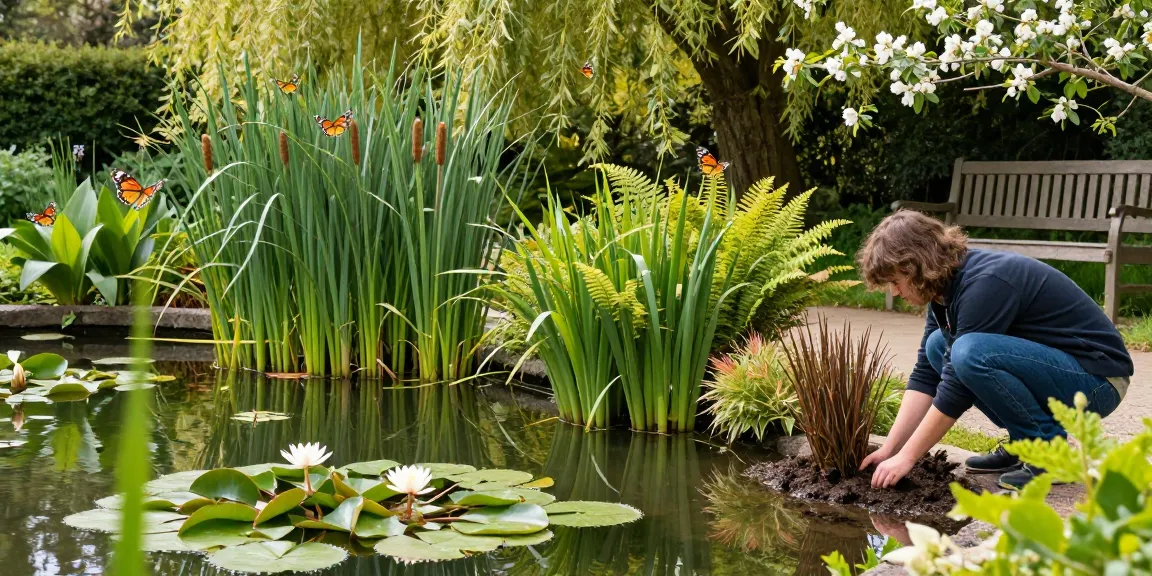
British pond plants are native species that thrive in the waterways of the UK. These plants form the backbone of pond ecosystems, providing critical habitats and food for various aquatic organisms. They can be categorized into three main types: emergent, floating, and submerged plants. Each type serves unique functions, from oxygenating the water to offering refuge for wildlife.
Common Types of British Pond Plants and Their Characteristics
Some of the most common British pond plants include:
- Water Lilies (Nymphaea): Known for their beautiful blossoms, water lilies float on the surface and provide shade, helping to control algae growth.
- Reed Canary Grass (Phalaris arundinacea): This emergent plant stabilizes the soil and shelters wildlife.
- Hornwort (Ceratophyllum demersum): A submerged plant that enhances water clarity and provides habitat for fish.
- Marsh Marigold (Caltha palustris): These vibrant yellow flowers bloom in early spring and attract pollinators.
The Importance of Biodiversity in Pond Ecosystems
Biodiversity within pond ecosystems is crucial for maintaining ecological balance. Each plant species contributes to the habitat’s functionality, supporting diverse animal life, including amphibians, insects, and fish. Additionally, a variety of plants can improve water quality by filtering pollutants and providing oxygen, ensuring a healthy pond environment.
Choosing the Right Plants for Your Pond
Selecting the right plants for your pond can greatly influence its health and aesthetic appeal. Understanding your pond’s unique conditions is essential in making informed choices.
Factors to Consider When Selecting British Pond Plants
When choosing British pond plants, consider the following factors:
- Water Depth: Different plants thrive at varying depths; ensure you match plants to their preferred growing conditions.
- Sunlight Exposure: Assess how much sun your pond receives daily, as some plants prefer full sun while others thrive in shade.
- Water Flow: Recognize how water moves through your pond, as some plants prefer still waters, while others can tolerate currents.
- Soil Type: The nature of your pond’s substrate can impact plant growth; choose plants that suit the soil conditions.
Top Recommendations for Hardy Water Plants
For resilience and vibrancy, consider these hardy British pond plants:
- Common Cattail (Typha latifolia): This tall, native plant provides excellent habitat for wildlife and can absorb excess nutrients, improving water quality.
- Yellow Flag Iris (Iris pseudacorus): Known for its striking blooms, this plant offers visual appeal and thrives in damp areas.
- Water Buttercup (Ranunculus aquatilis): This charming, low-growing plant is ideal for shallow waters and supports aquatic life.
Seasonal Planting Tips and Tricks
Planting at the right time is essential for the success of your pond garden. The best times to plant British pond plants are in early spring or late autumn. During these periods, plants are more likely to establish roots before facing the stresses of summer heat or winter cold. Ensure you monitor temperatures and conditions to optimize planting times for specific species.
Plant Care and Maintenance
Once planted, maintaining your pond plants is vital for a thriving aquatic ecosystem. Regular care helps ensure they remain healthy and vibrant.
Essential Care Tips for British Pond Plants
To care for your British pond plants effectively, follow these guidelines:
- Regular Monitoring: Check for signs of disease or stress, such as discoloration or wilting.
- Pruning: Trim dead or overgrown foliage to promote healthy growth and prevent overcrowding.
- Fertilization: Use a slow-release aquatic fertilizer in moderation to support plant health without promoting excessive algae growth.
Managing Invasive Species: Challenges and Solutions
Invasive plant species can pose significant challenges to the health of your pond. Common invasive plants include Japanese Knotweed and Floating Pennywort. Regularly inspect your pond and remove any invasive species promptly to prevent them from overpowering native plants. Consider using physical barriers or specialized herbicides, if necessary, to manage these invaders effectively.
Seasonal Care and Maintenance Guide
Seasonal maintenance tasks for your pond plants include:
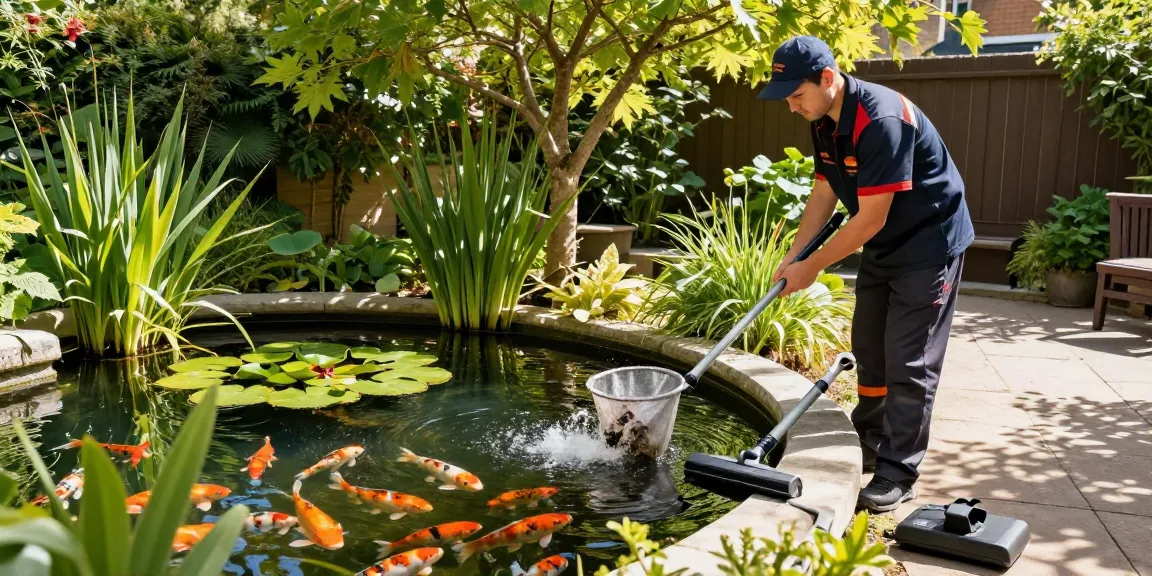
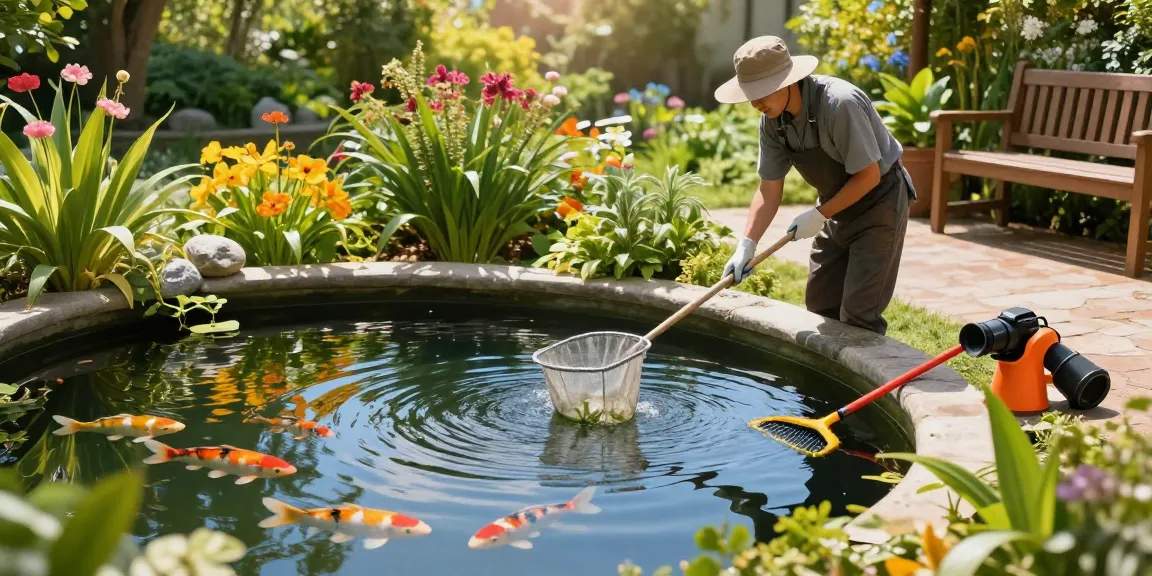
- Spring: Fertilize and remove debris from the pond surface.
- Summer: Monitor water levels and ensure an adequate supply of water.
- Autumn: Cut back perennials and prepare the pond for winter.
- Winter: Insulate sensitive plants with mulch or plant them in deeper areas to protect them from frost.
Enhancing Your Pond Ecosystem
Enhancing your pond’s ecosystem involves the thoughtful integration of plants, animals, and structures to create a harmonious environment.
Creating a Balanced Ecosystem with Fishes and Plants
Incorporating fish into your pond can enhance its beauty and ecological balance. When introducing fish, ensure you select species that coexist well with your plants, such as native sticklebacks or goldfish. These fish can help control mosquito populations while adding vibrancy to your pond.
Utilizing Nature for Pest Control
Encouraging natural pest control methods can reduce the need for chemical interventions. For instance, attracting birds and beneficial insects that feed on pests can help maintain a balanced ecosystem. Native plants can support these beneficial species by providing food and shelter.
Complementary Features: Rocks, Fountains, and More
Incorporating complementary features like rocks, gravel, or fountains can enhance aesthetic appeal and foster diverse habitats. Consider placing rocks along the pond’s edge to create refuge areas for wildlife, while fountains can introduce oxygen into the water, benefiting both plants and animals.
Future Trends in Pond Gardening (2026 and Beyond)
The evolution of pond gardening is shaped by trends that reflect a growing understanding of ecosystems and sustainability. Looking forward to 2026 and beyond, several trends are emerging that could reshape how we approach British pond plants.
Emerging Trends in British Pond Plant Cultivation
As environmental awareness increases, the trend towards native plant use is expected to rise. Cultivating British pond plants can contribute to local biodiversity and enhance the resilience of pond ecosystems against climate change.
The Role of Technology in Sustainable Pond Gardening
Technological advancements, such as smart irrigation systems and water quality monitoring devices, are set to revolutionize pond gardening. These tools can help gardeners maintain optimal conditions for their plants while conserving water and minimizing chemical use.
Conservation Efforts: Protecting Native Species
Conservation efforts are vital for protecting native pond plants from extinction. Engaging with local conservation organizations and participating in community restoration projects can help maintain genetic diversity and promote the growth of native species in natural habitats.
How to Start Your Own Pond Plant Community?
Creating a community of pond enthusiasts can enhance knowledge sharing and foster collaboration. Start by organizing local workshops or online forums to connect with other gardeners. Sharing resources, such as plant cuttings or experiences, can help everyone cultivate healthier and more beautiful pond gardens.